

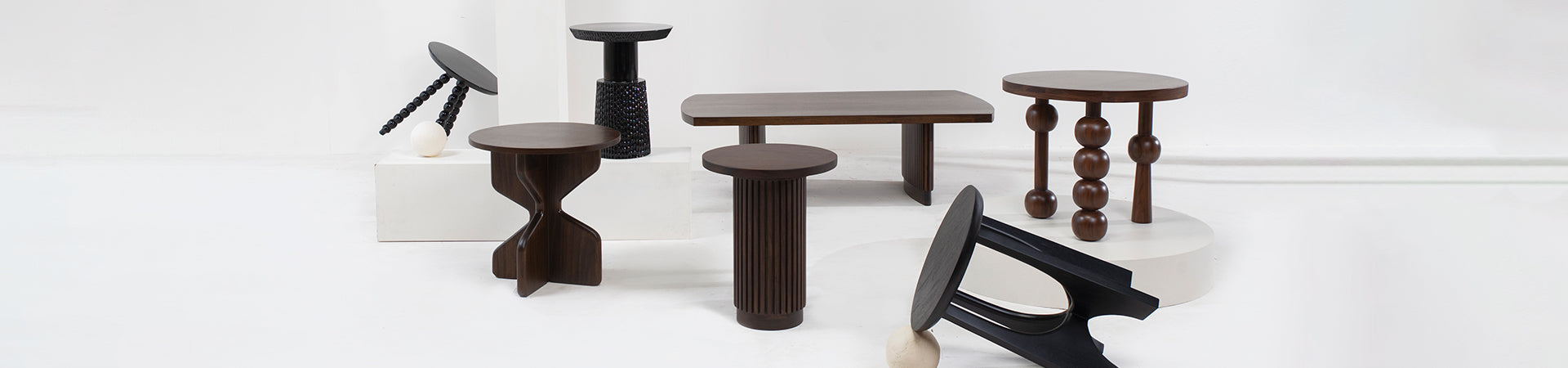
Side Table
Sort by
21 products
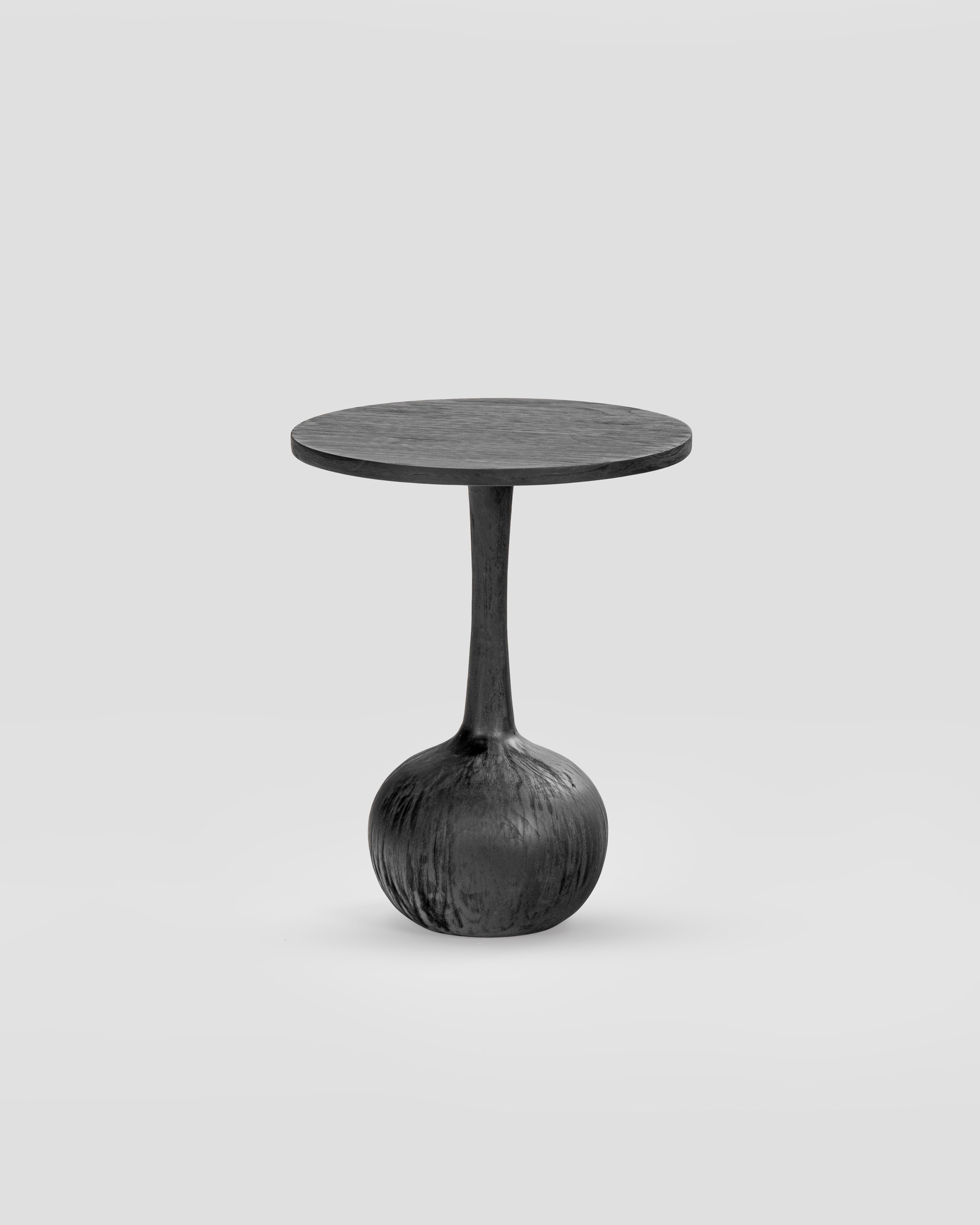
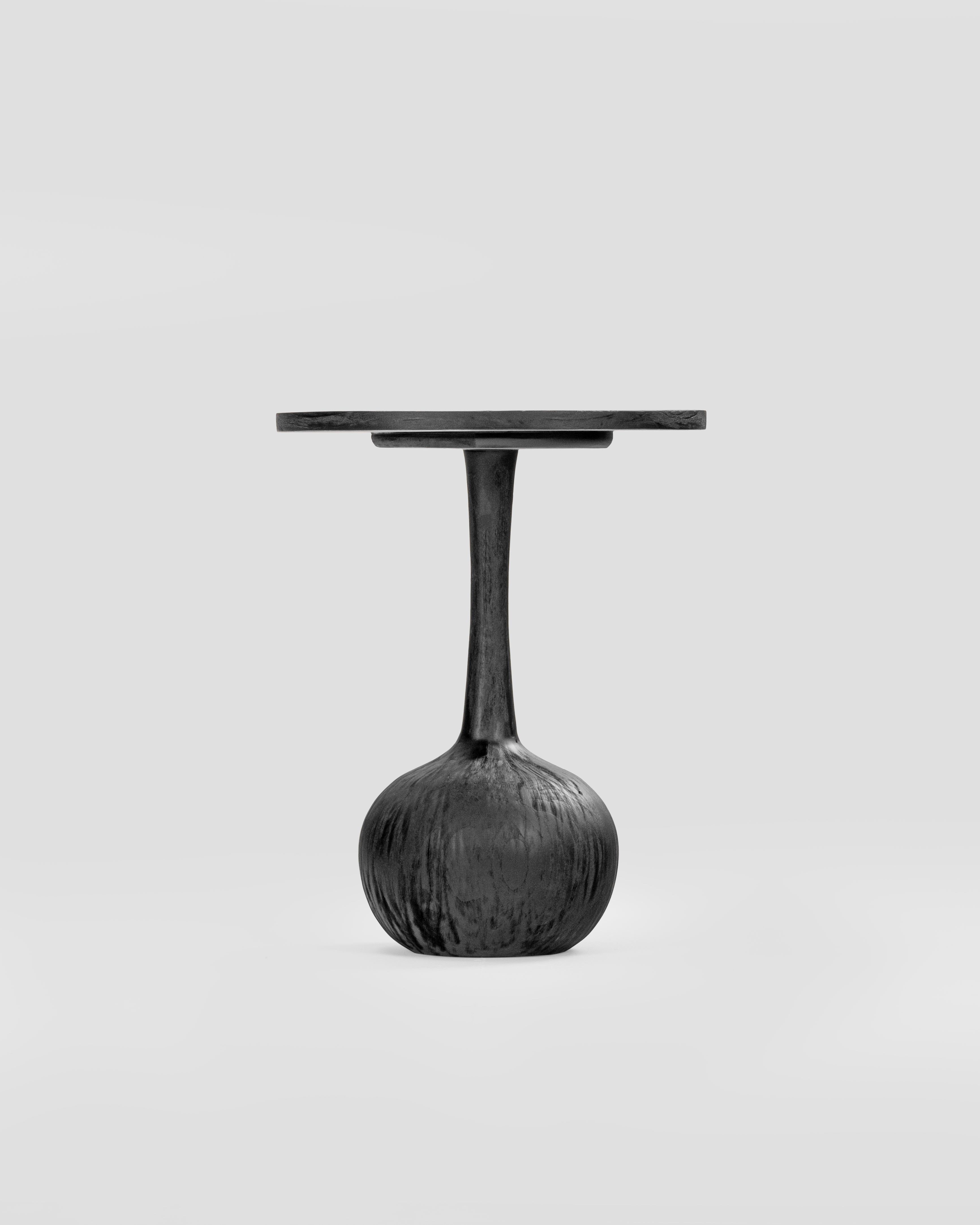
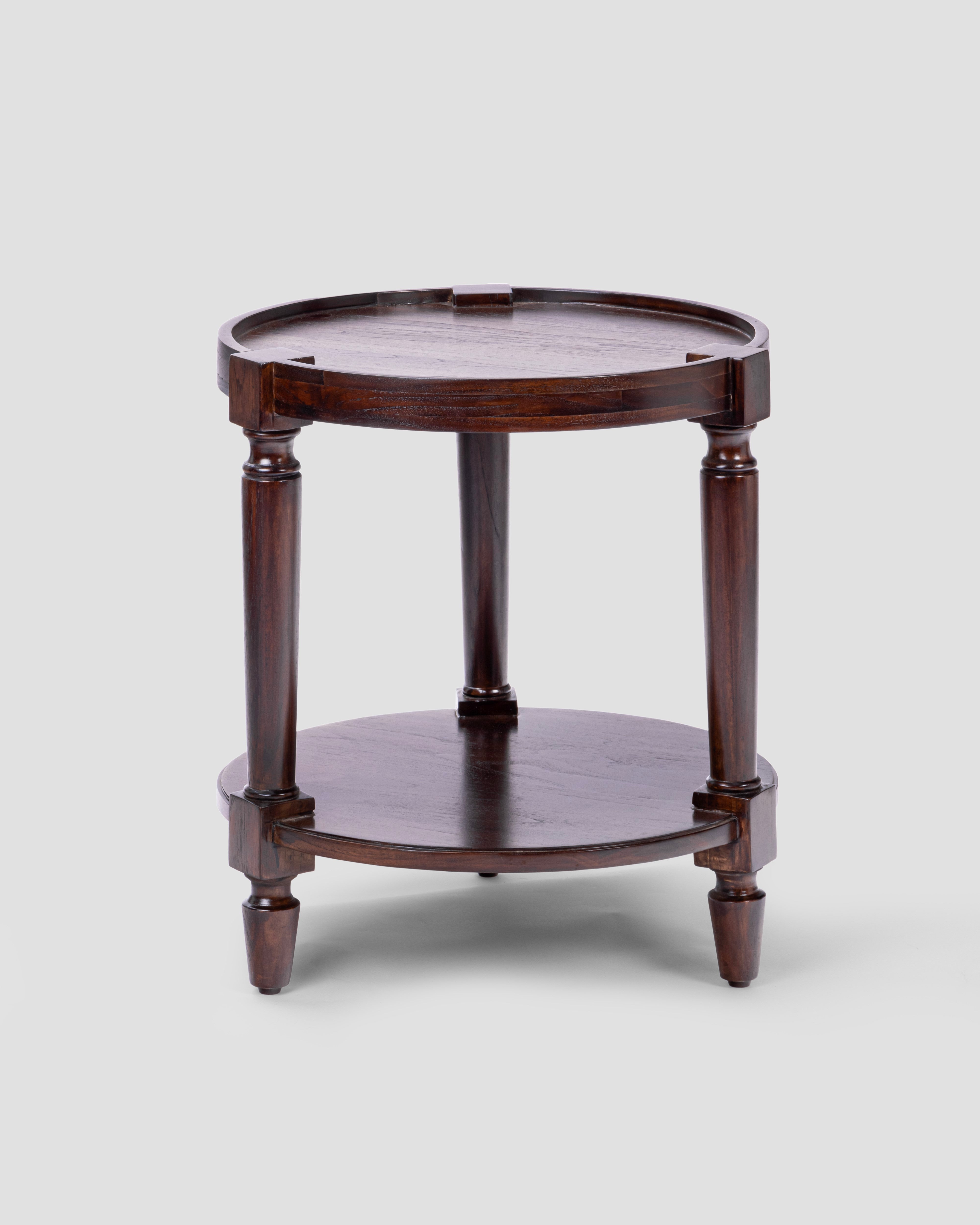
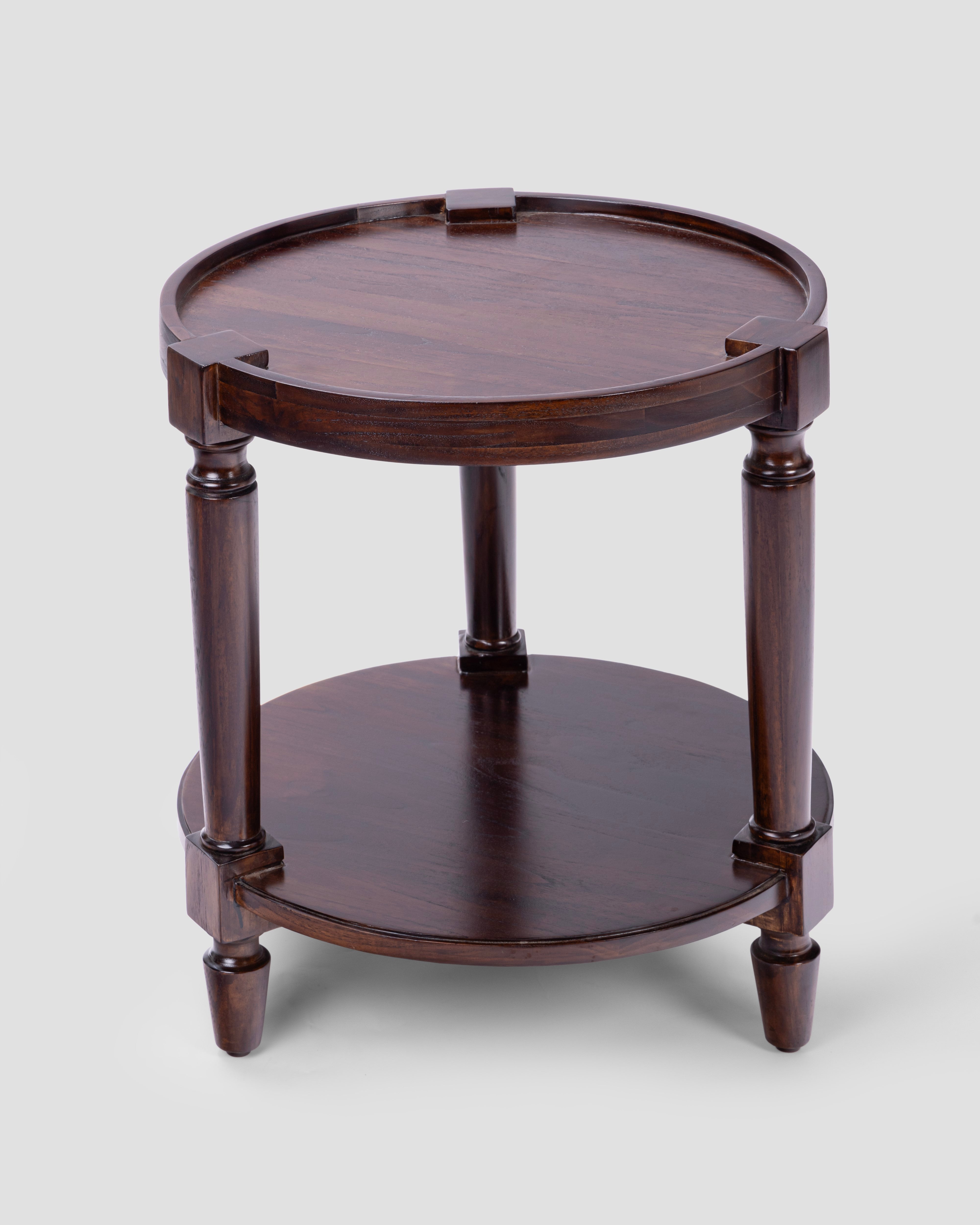
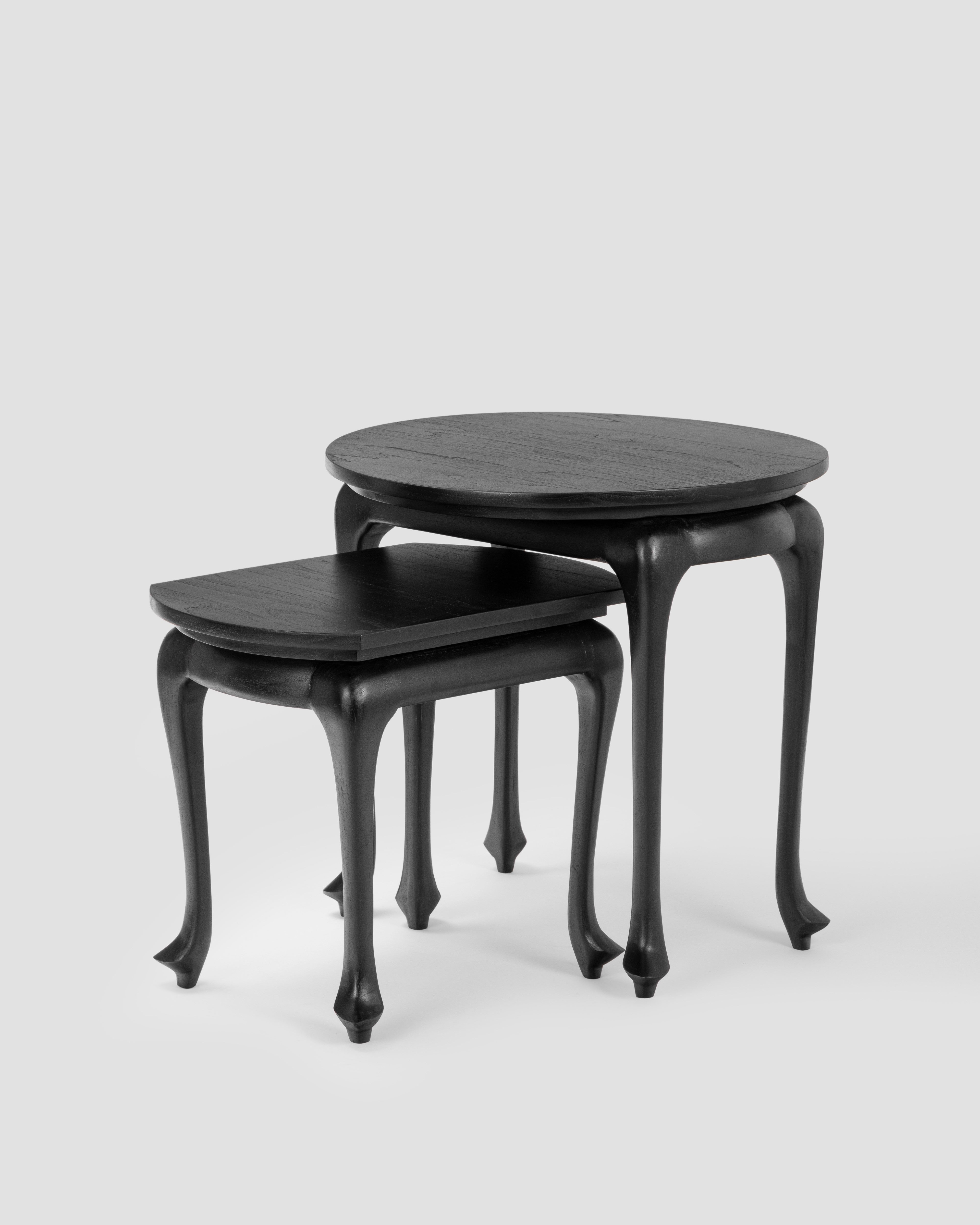
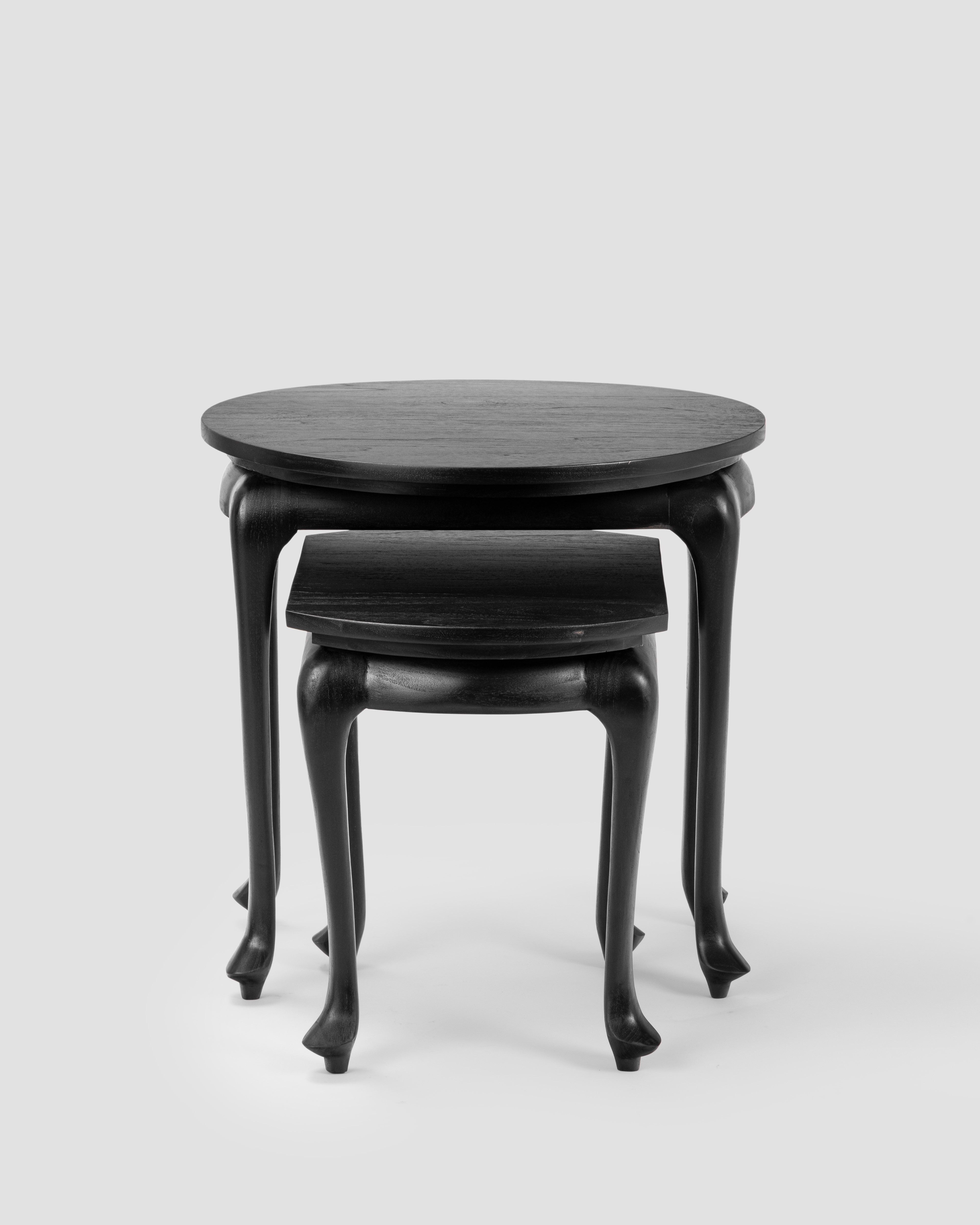
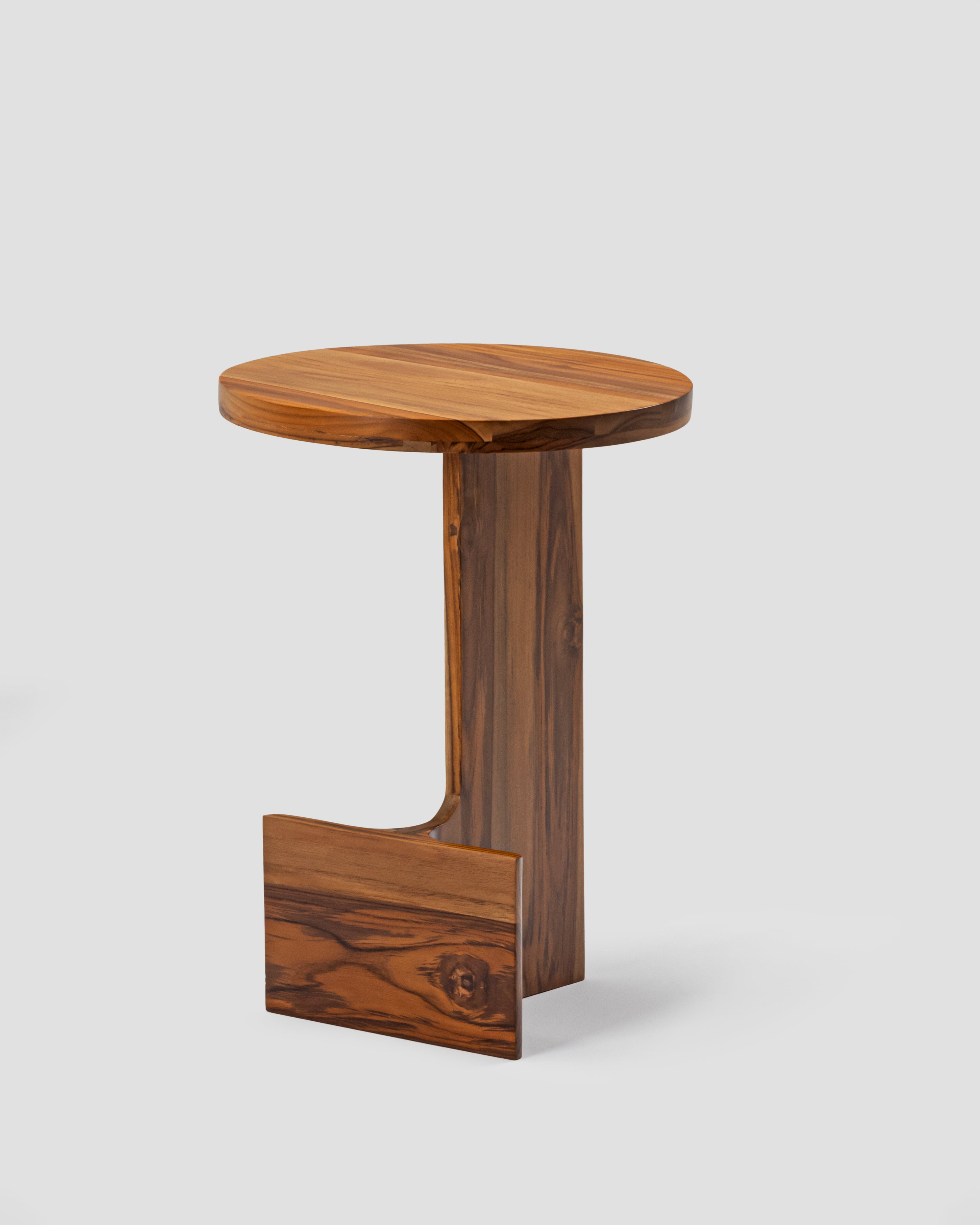
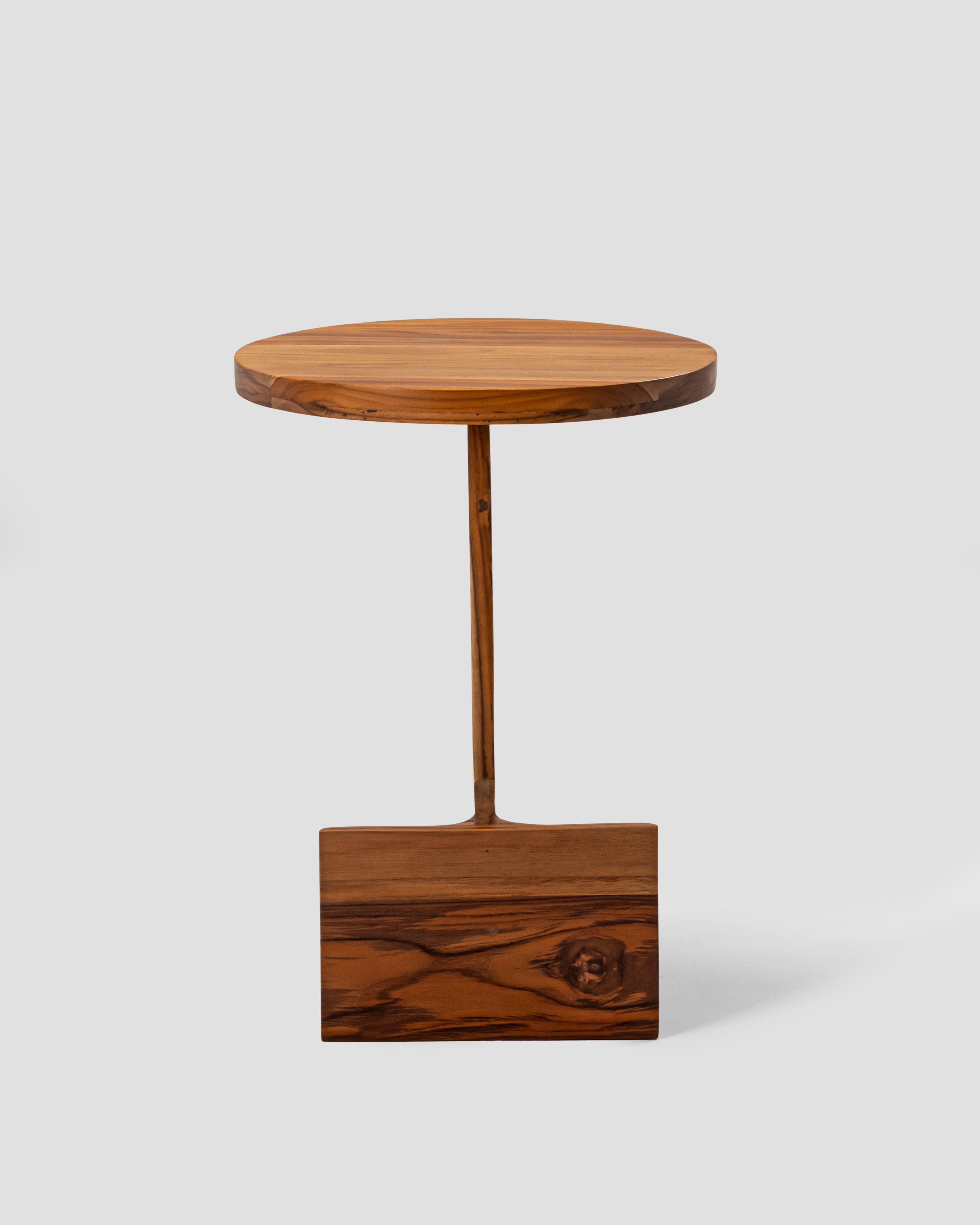
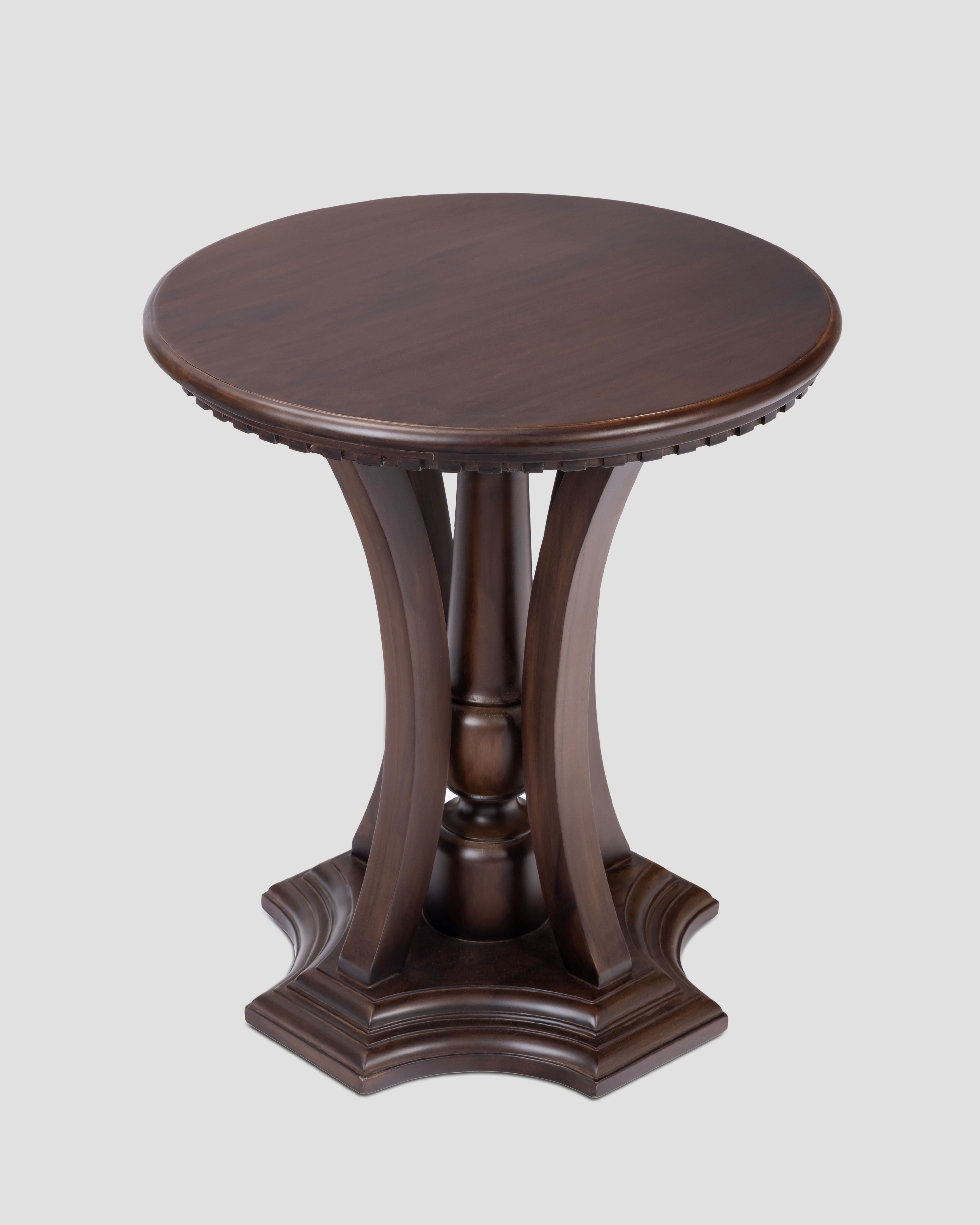
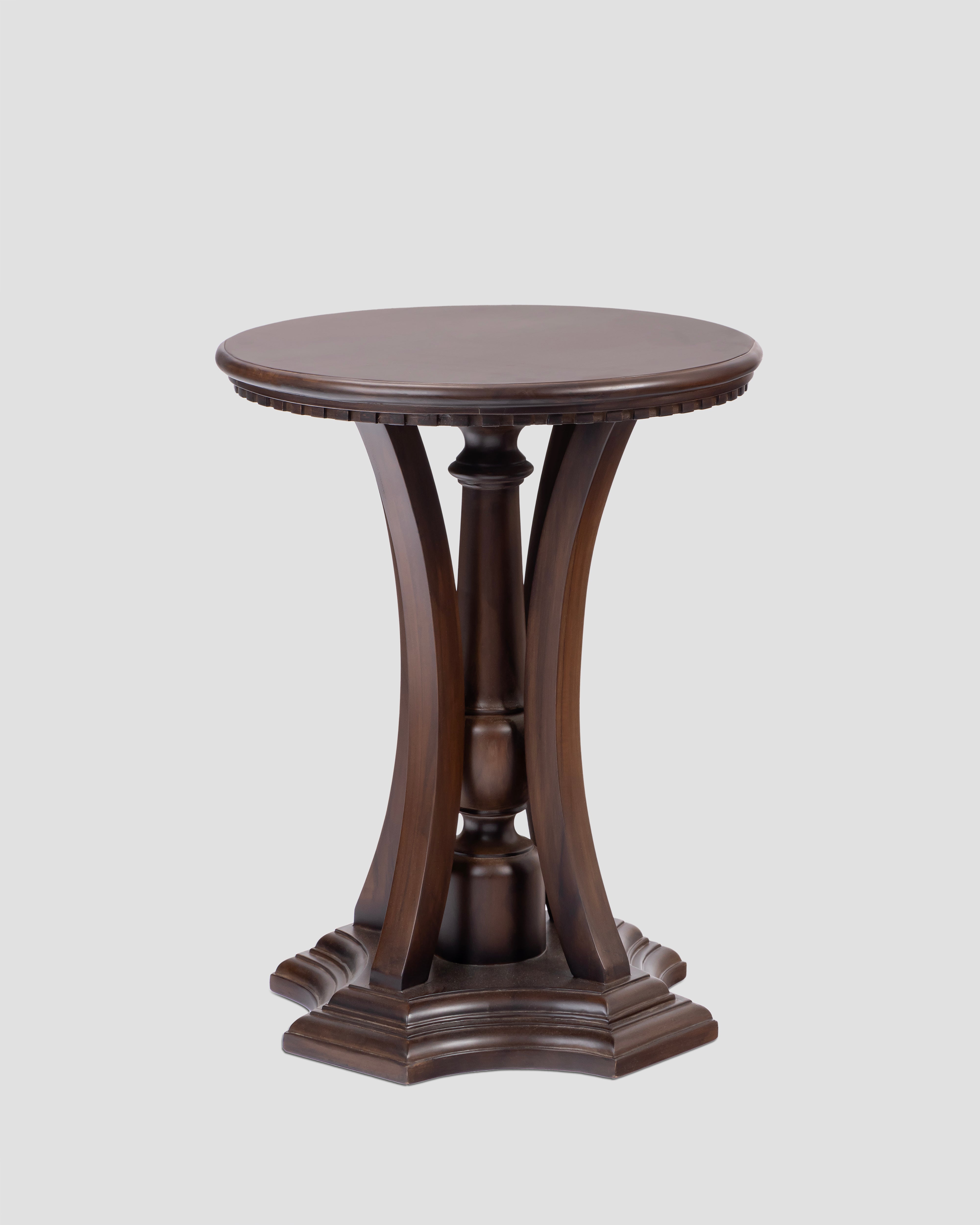
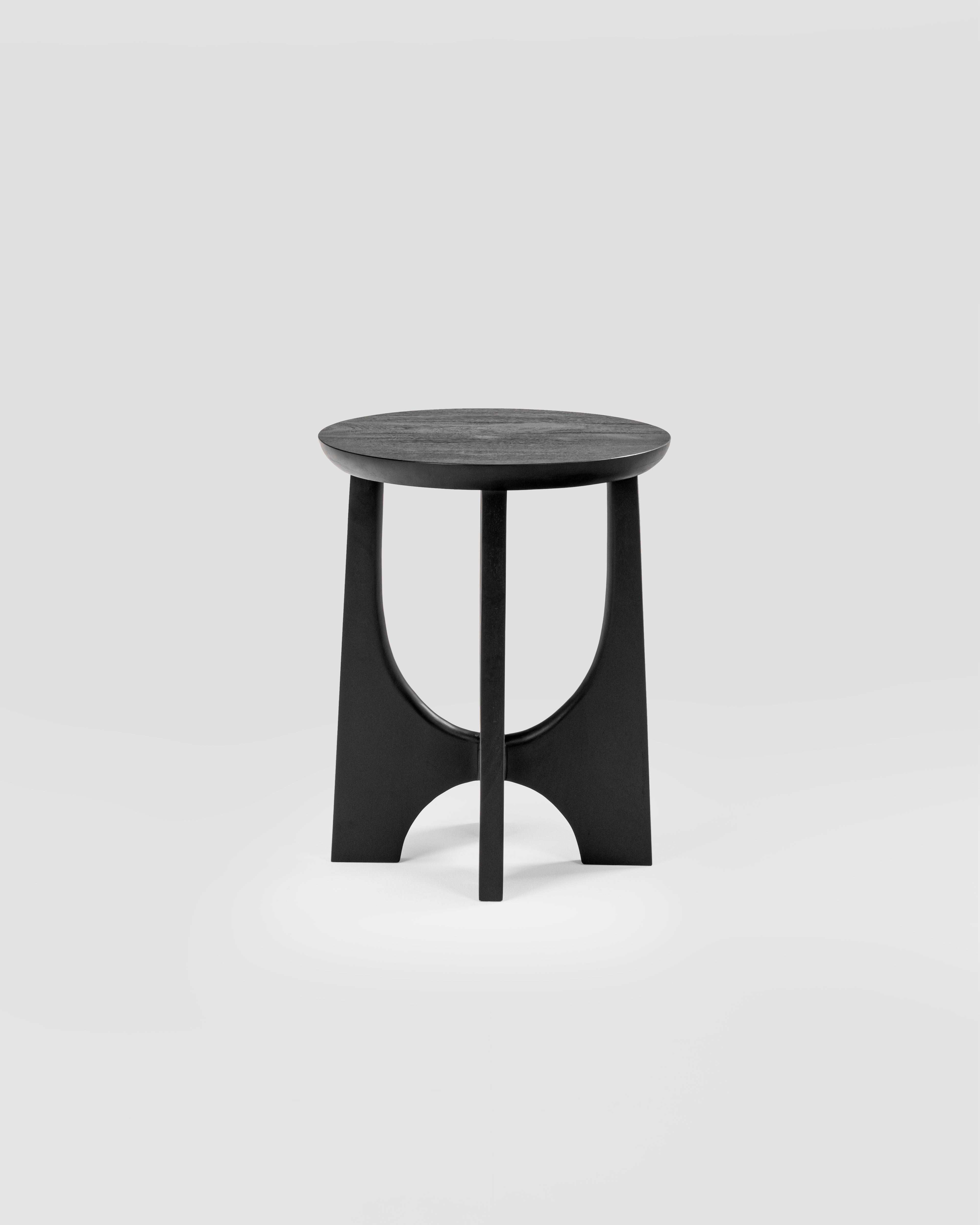
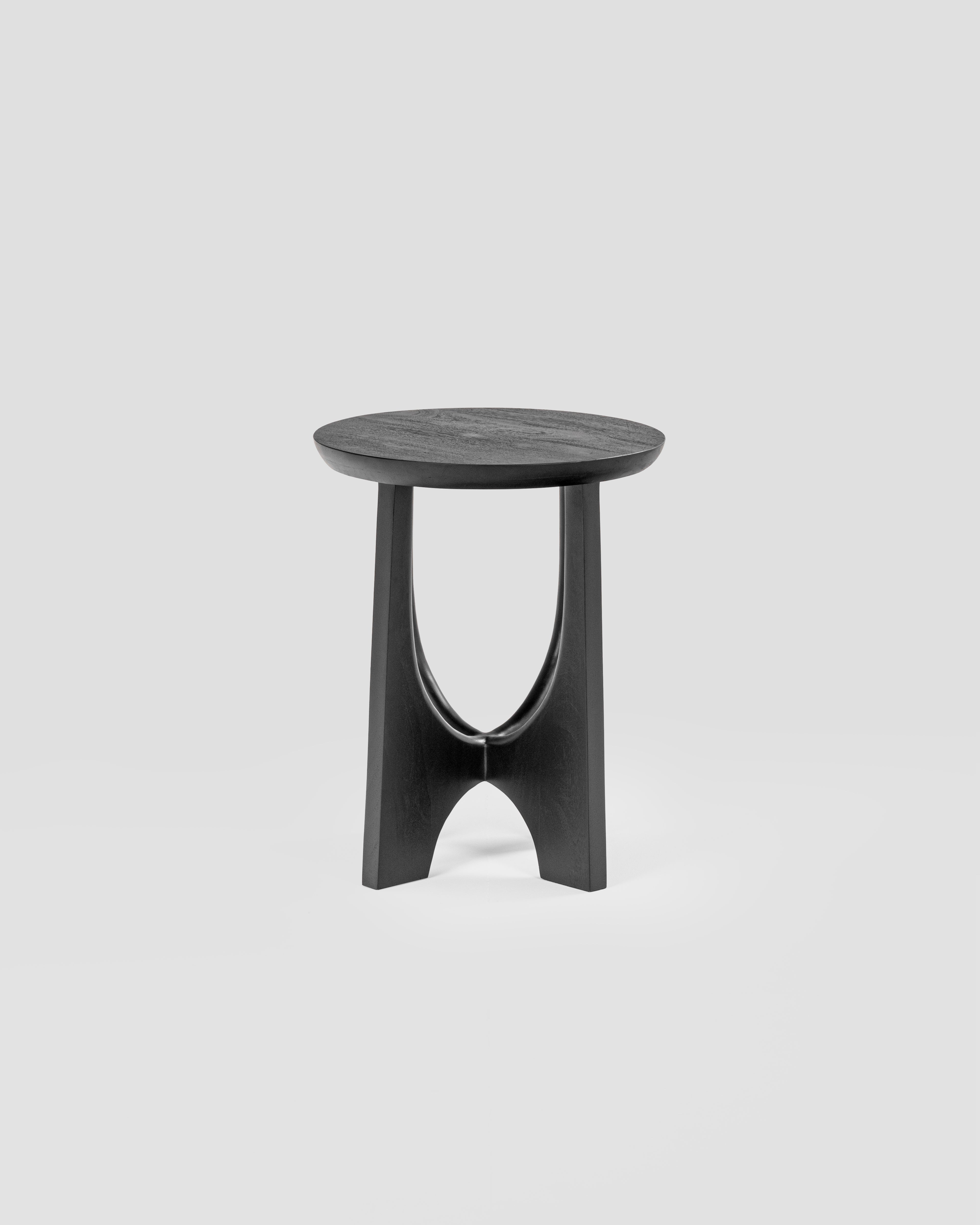
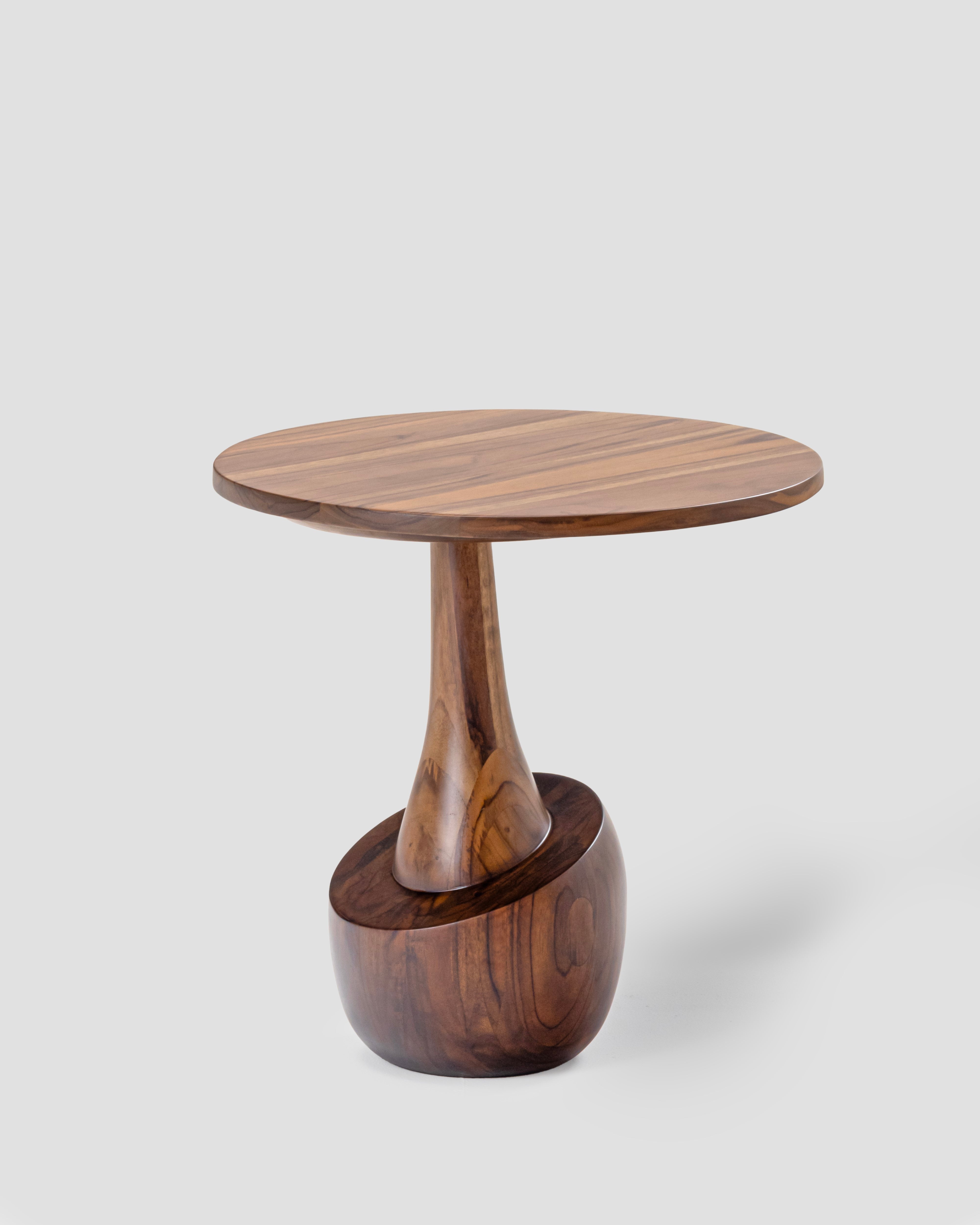
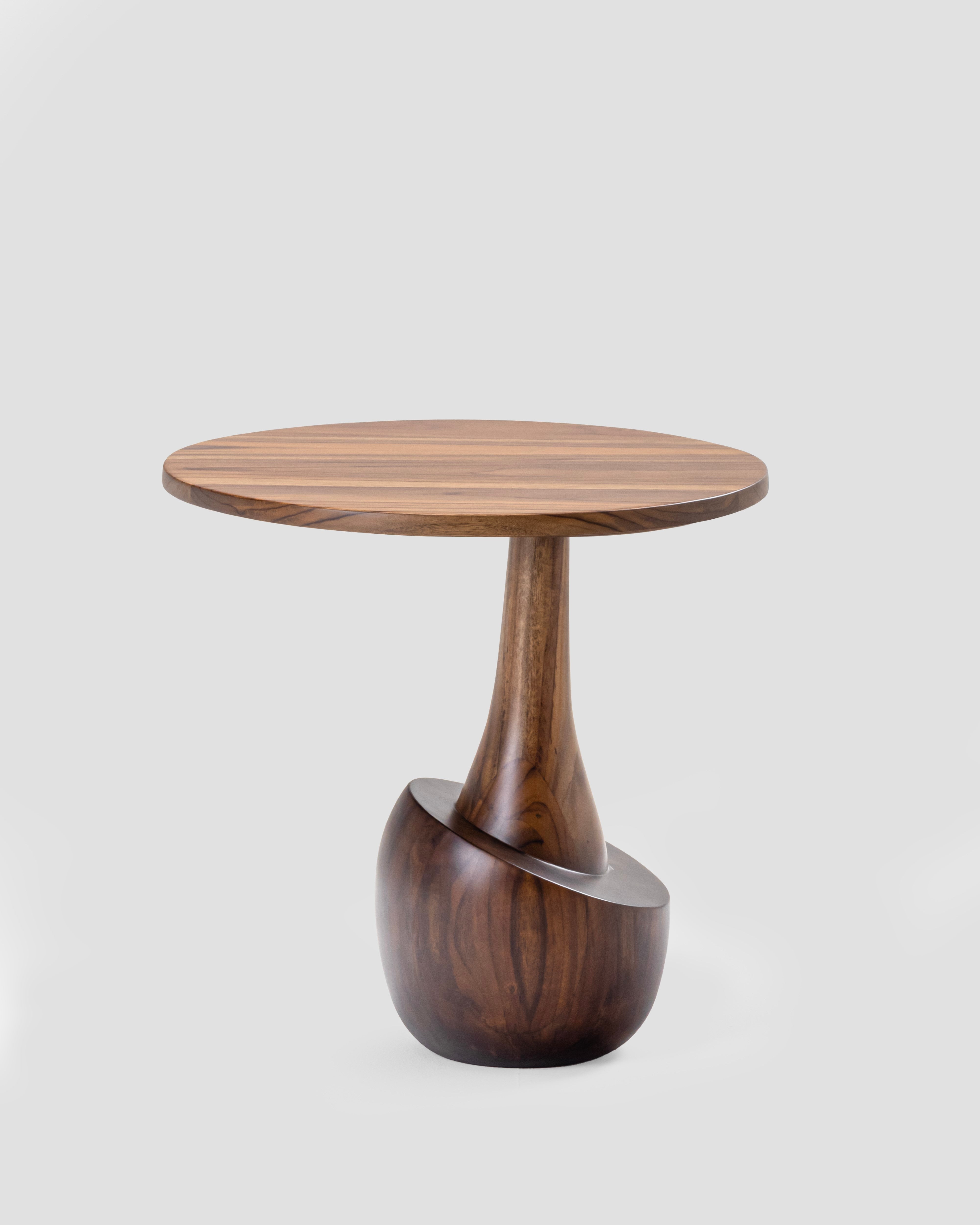
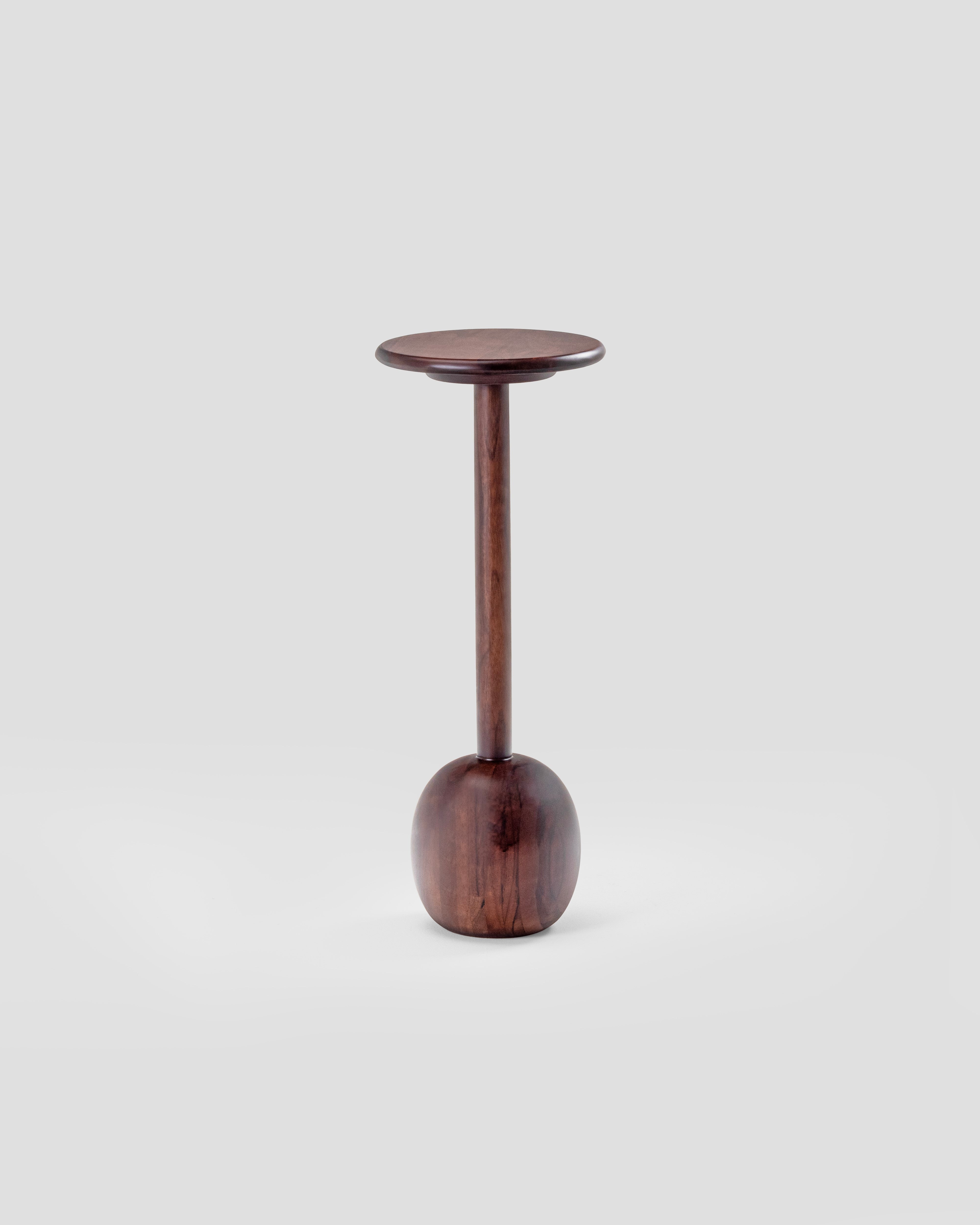
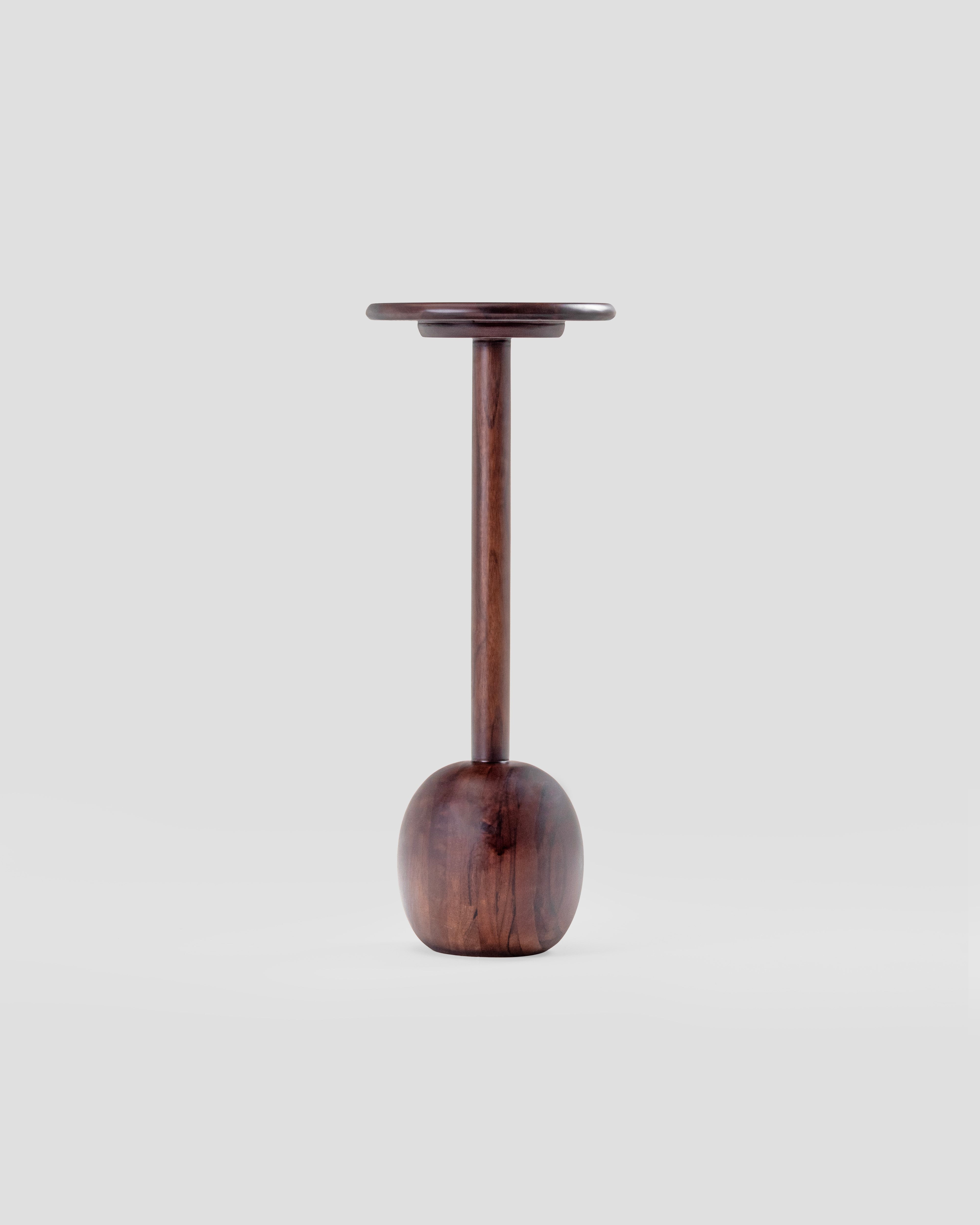
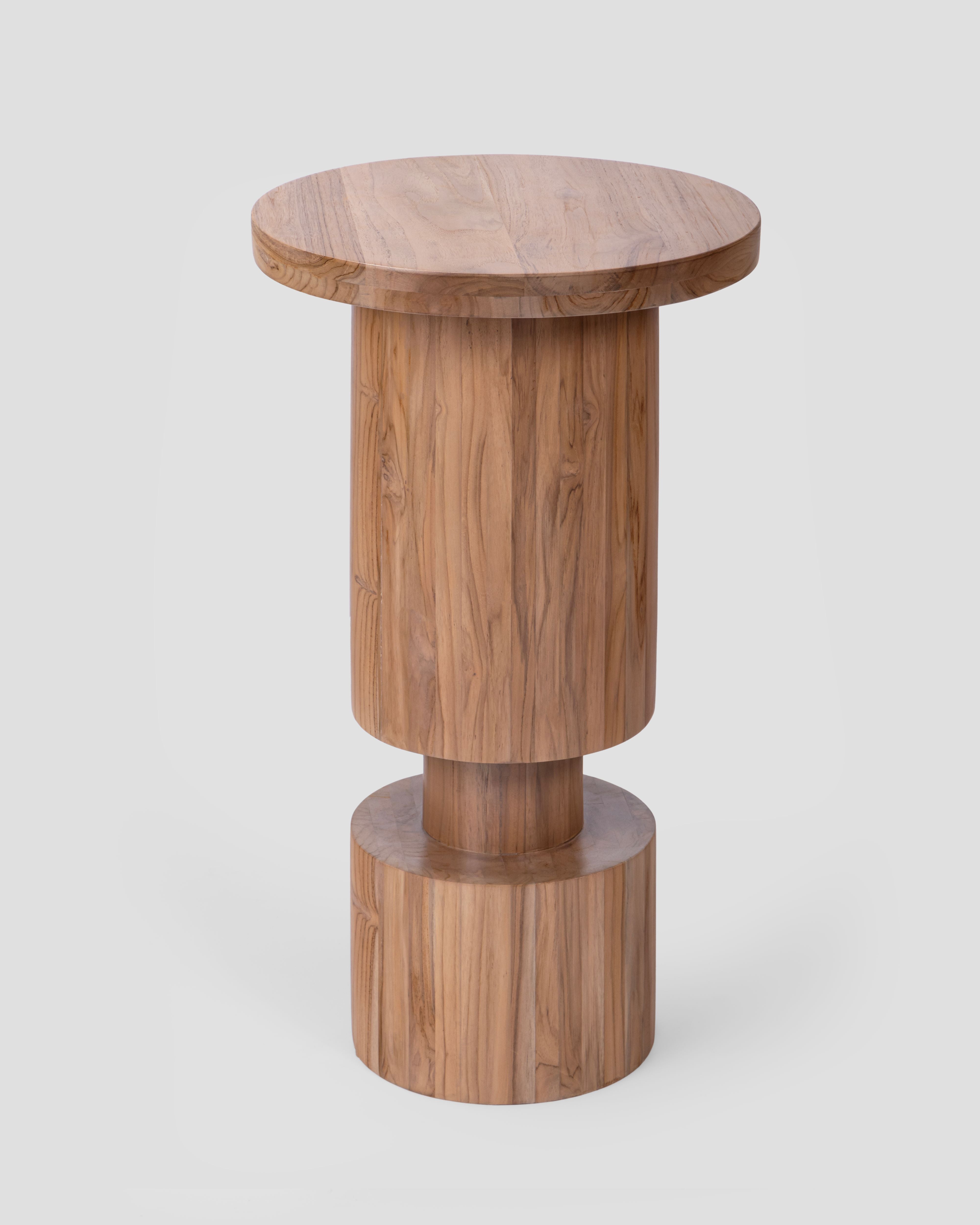
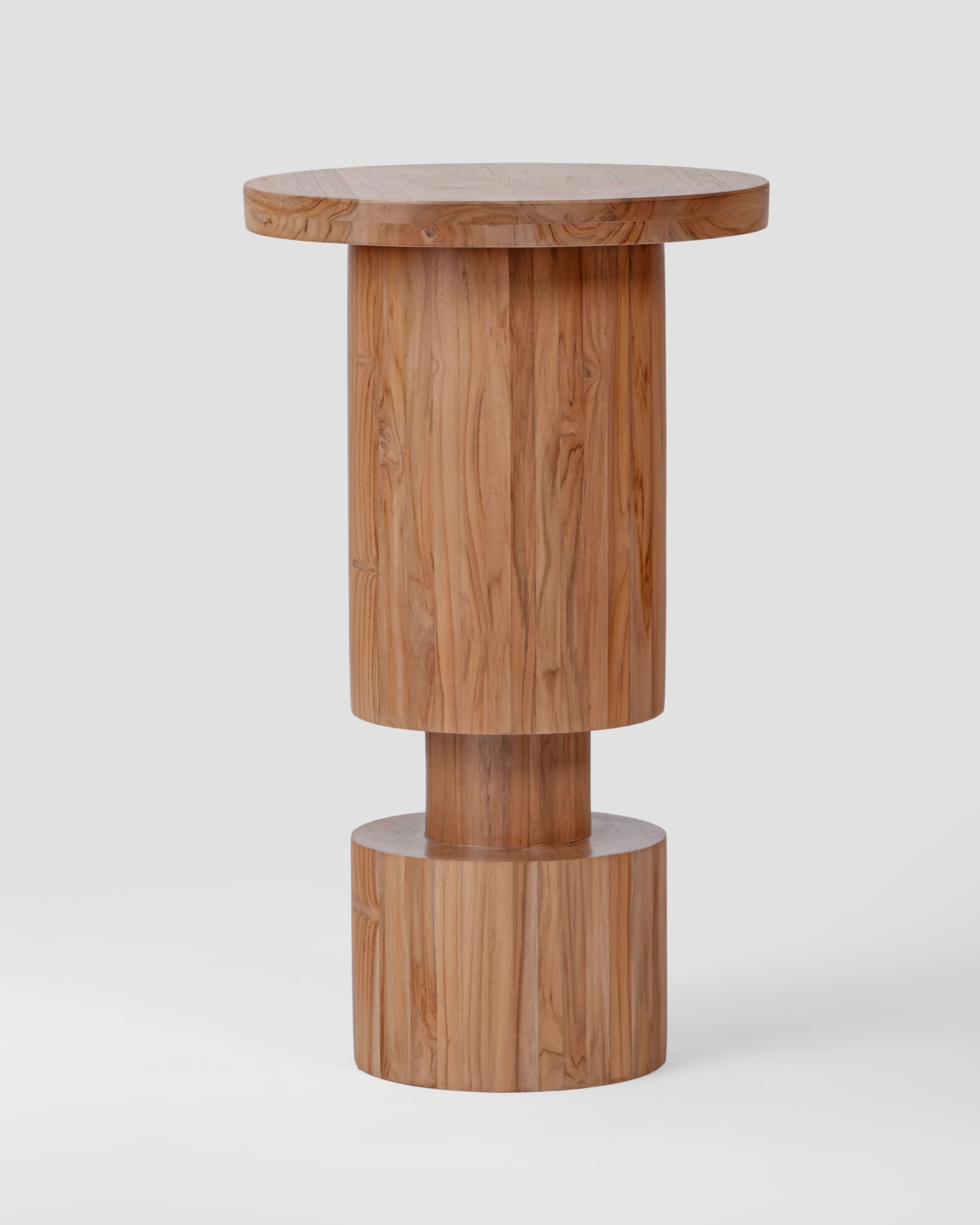
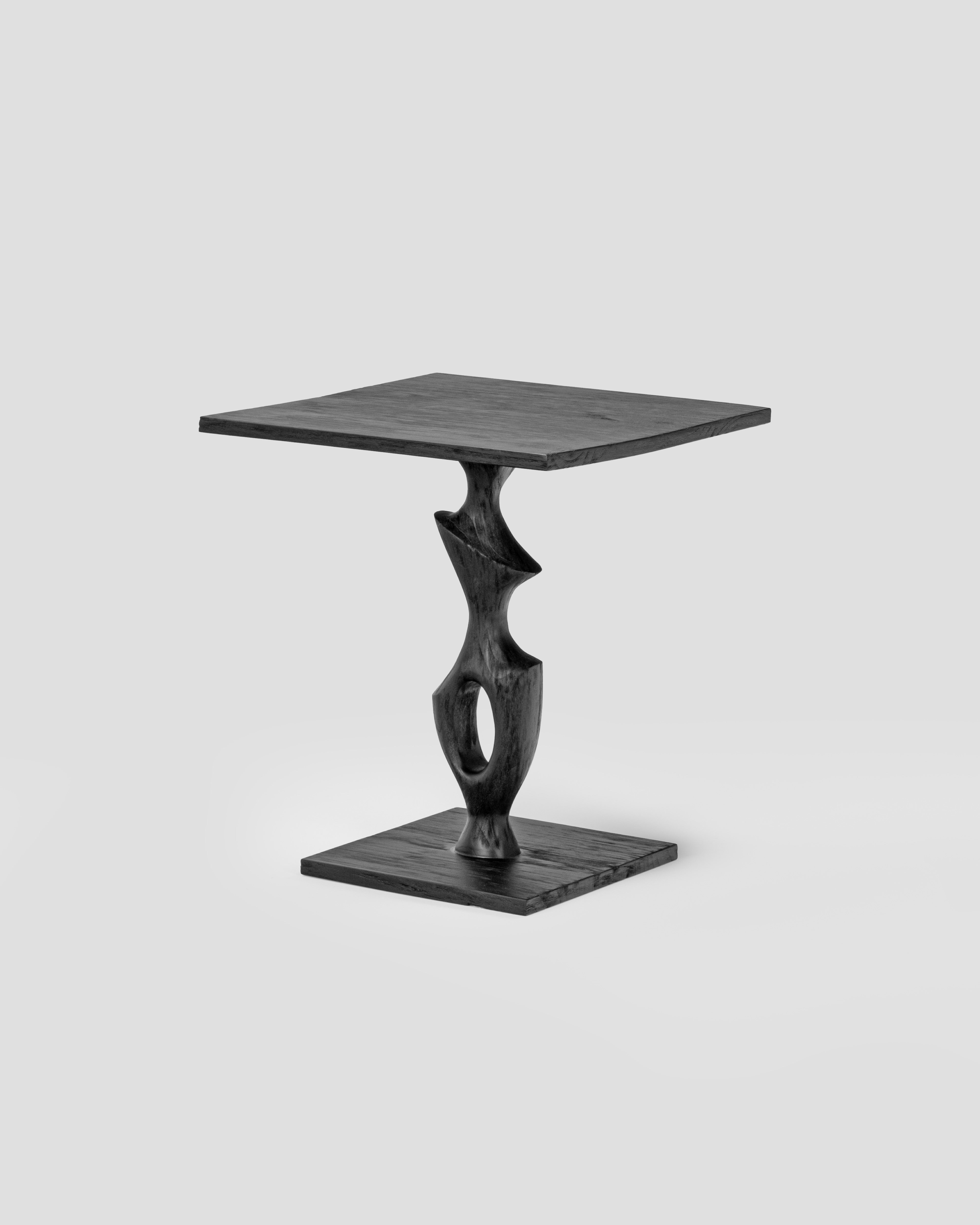
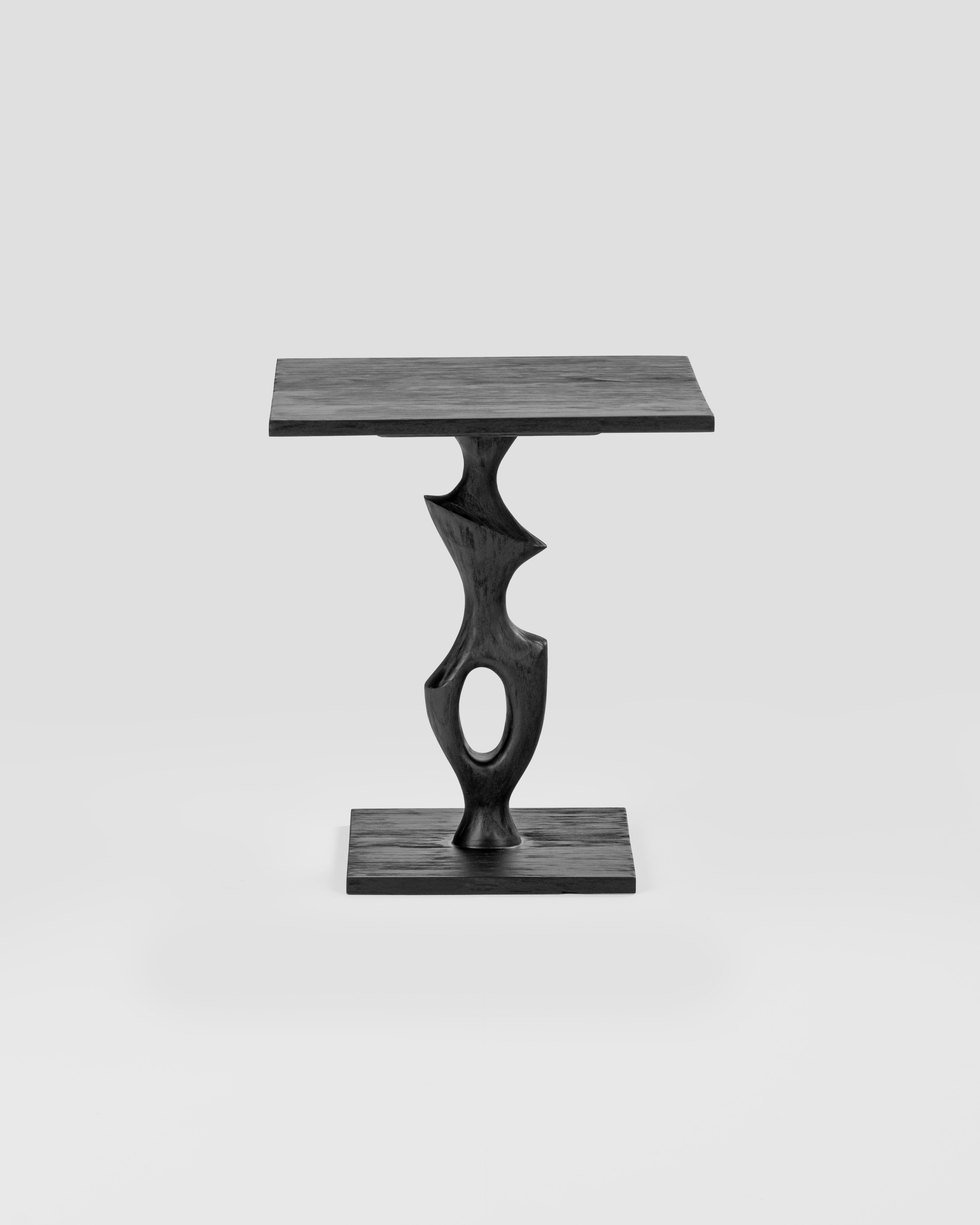
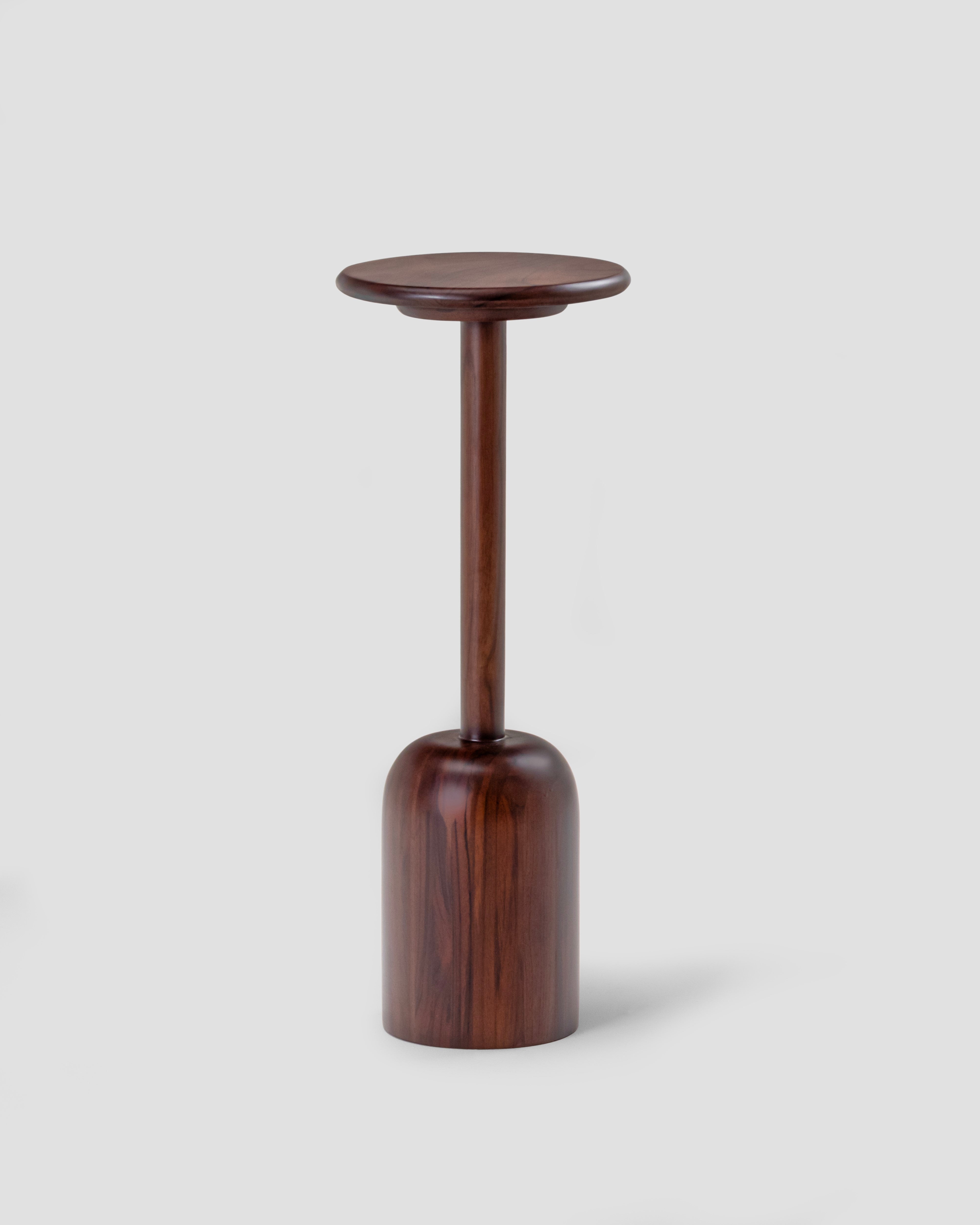
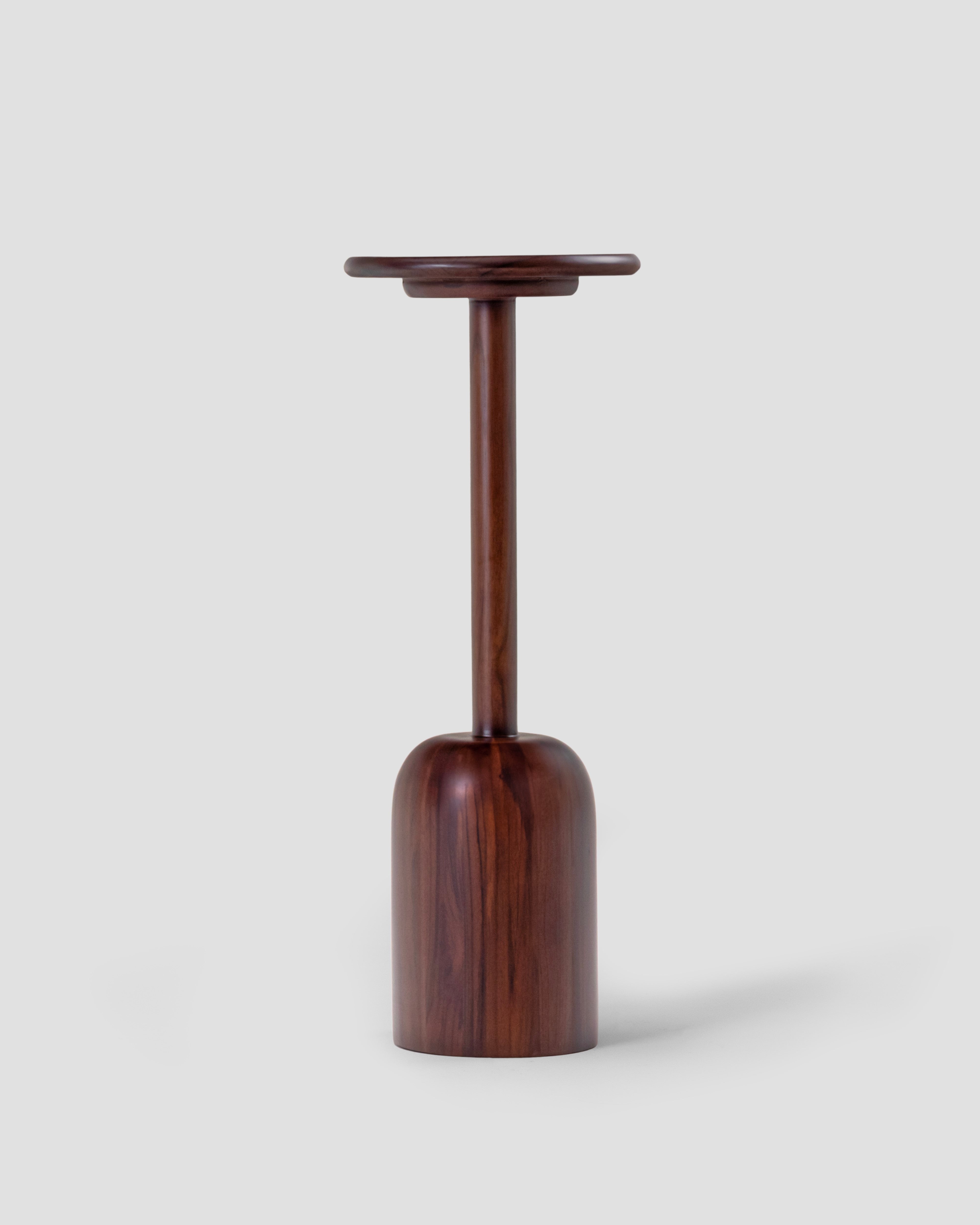
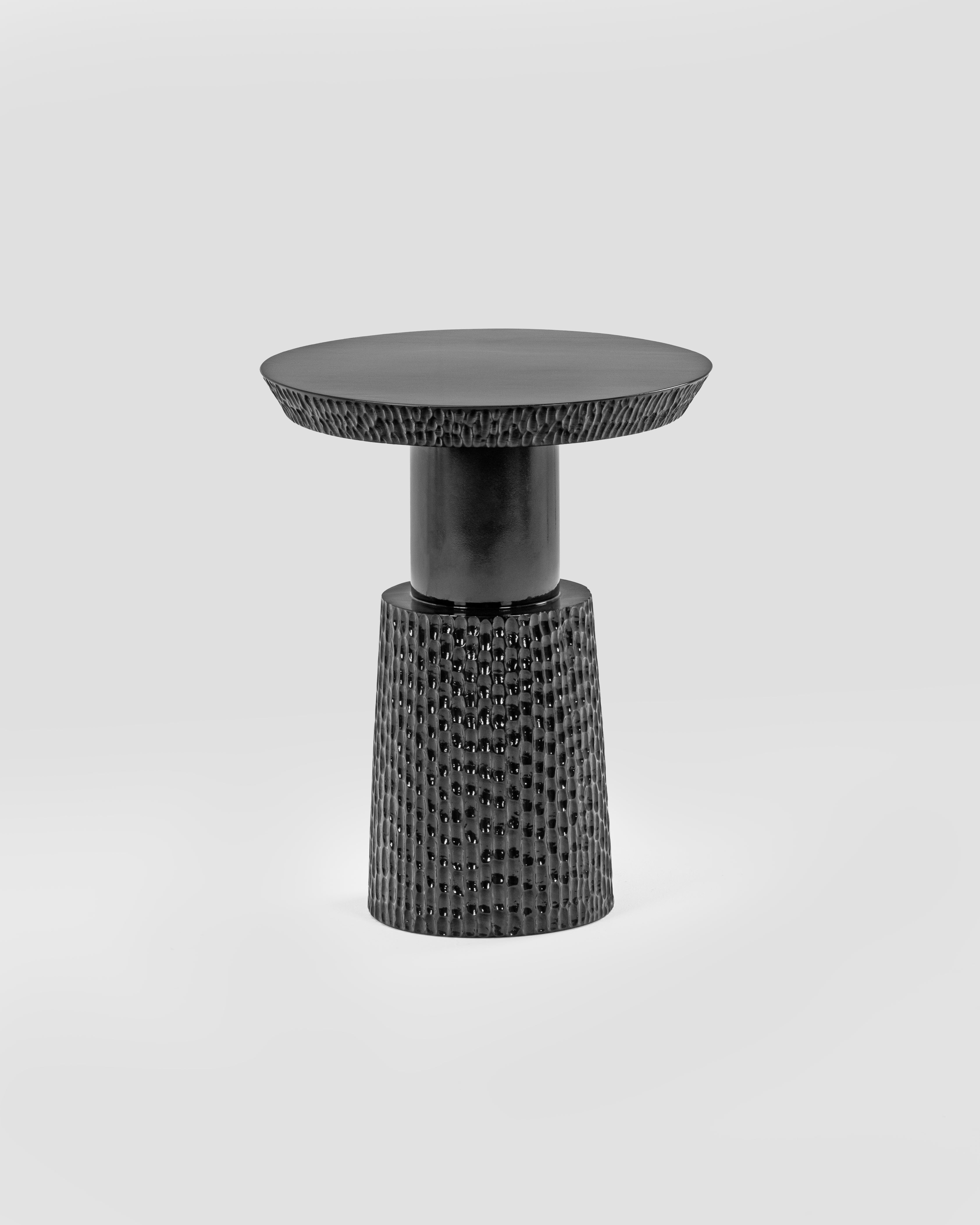
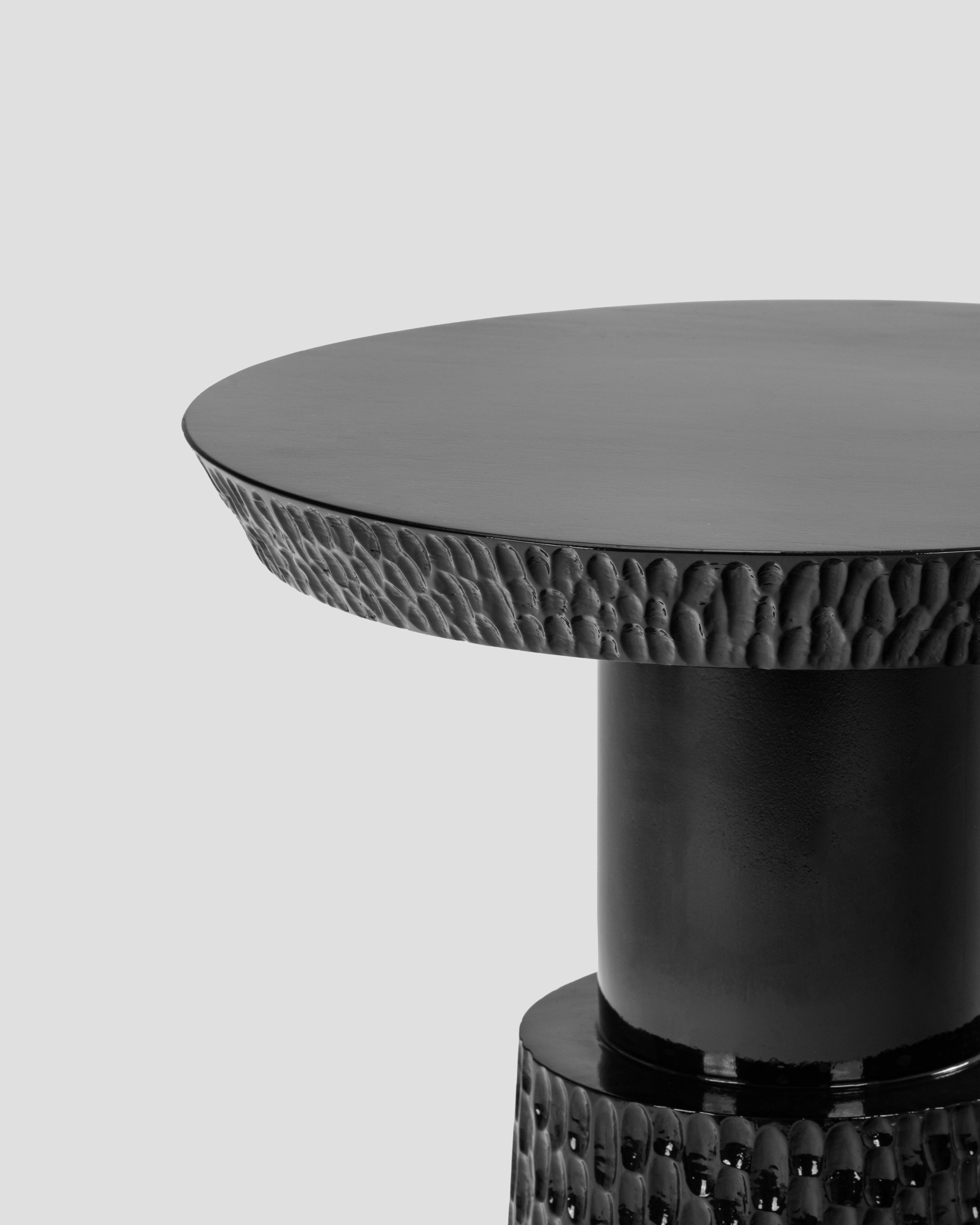
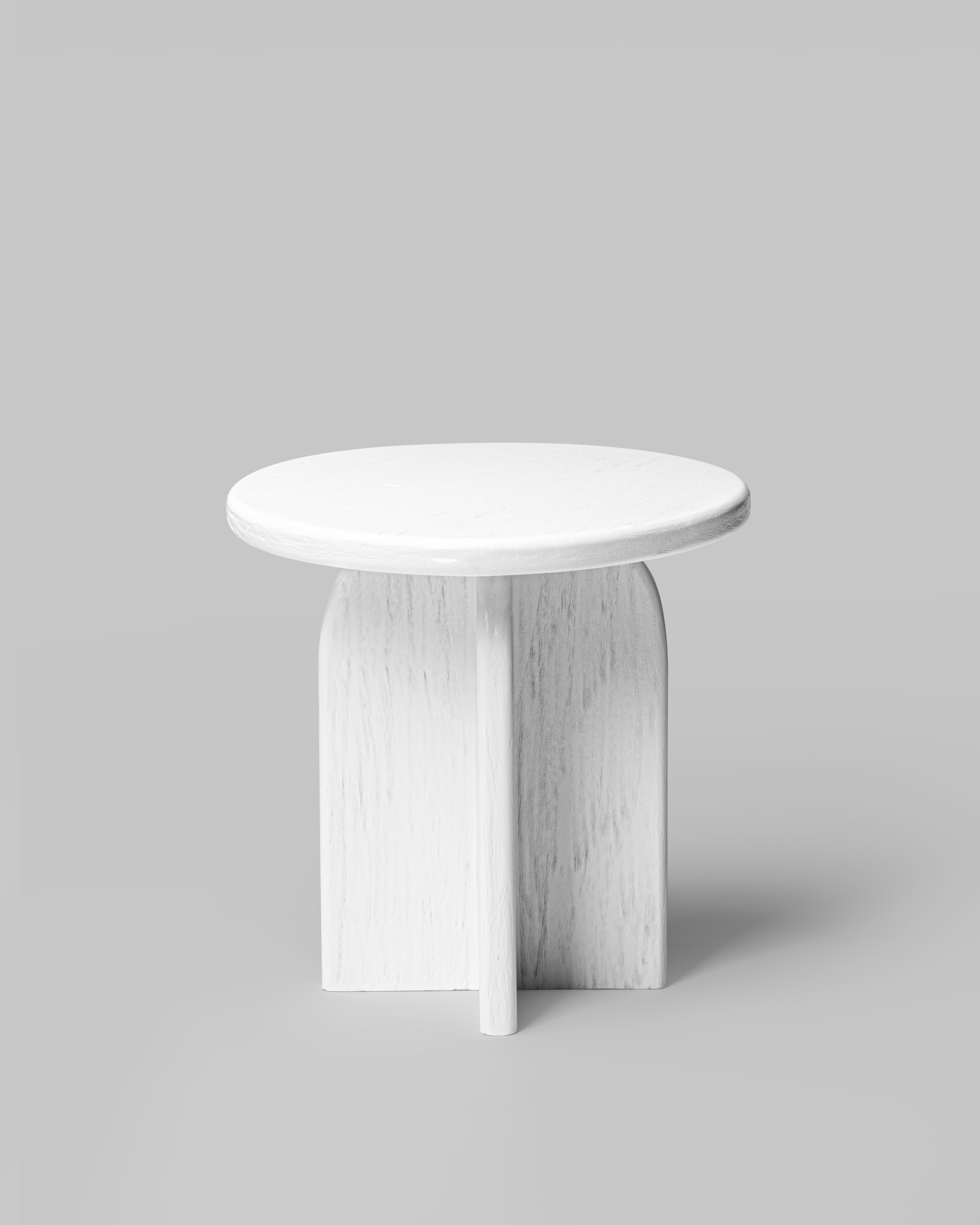
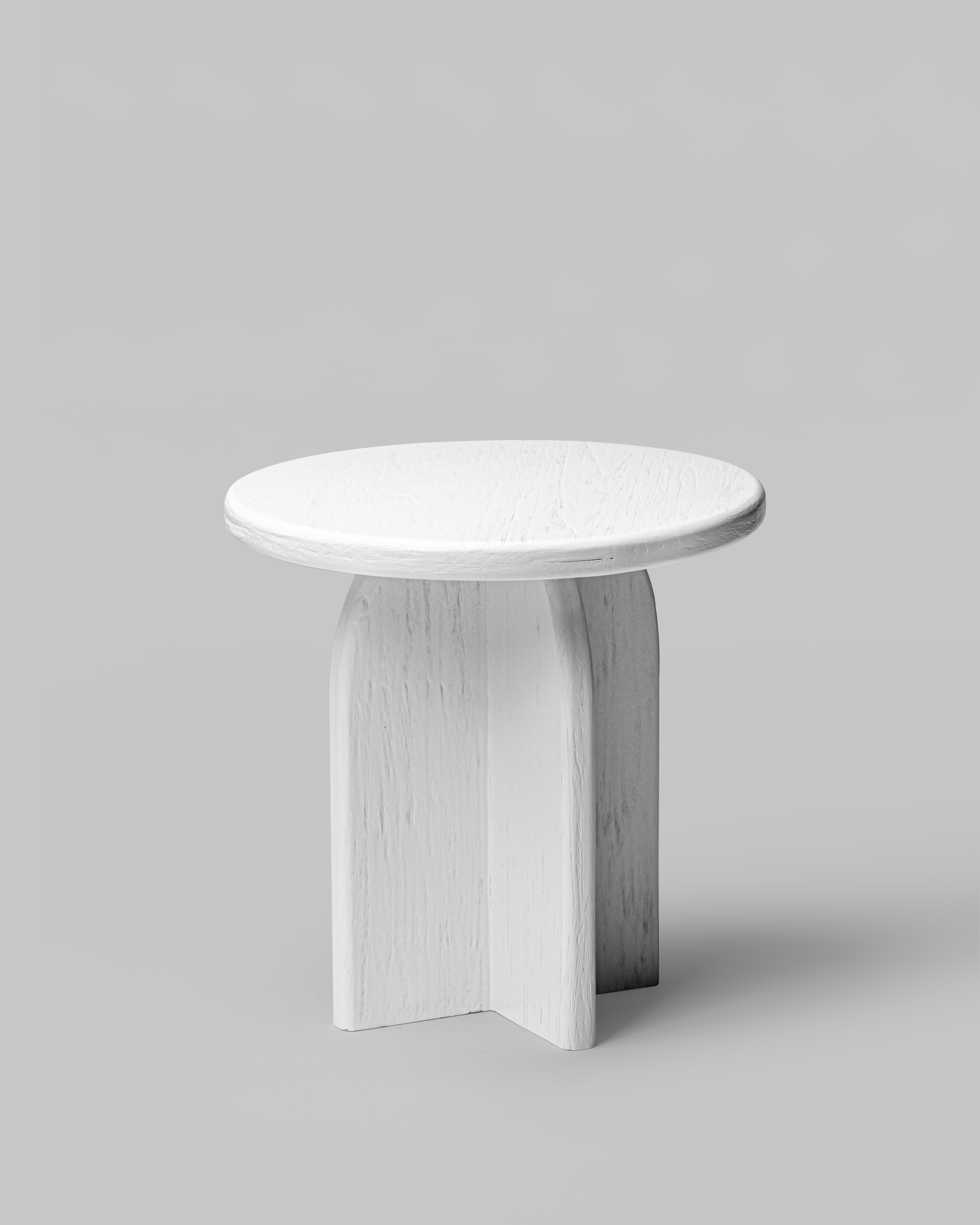
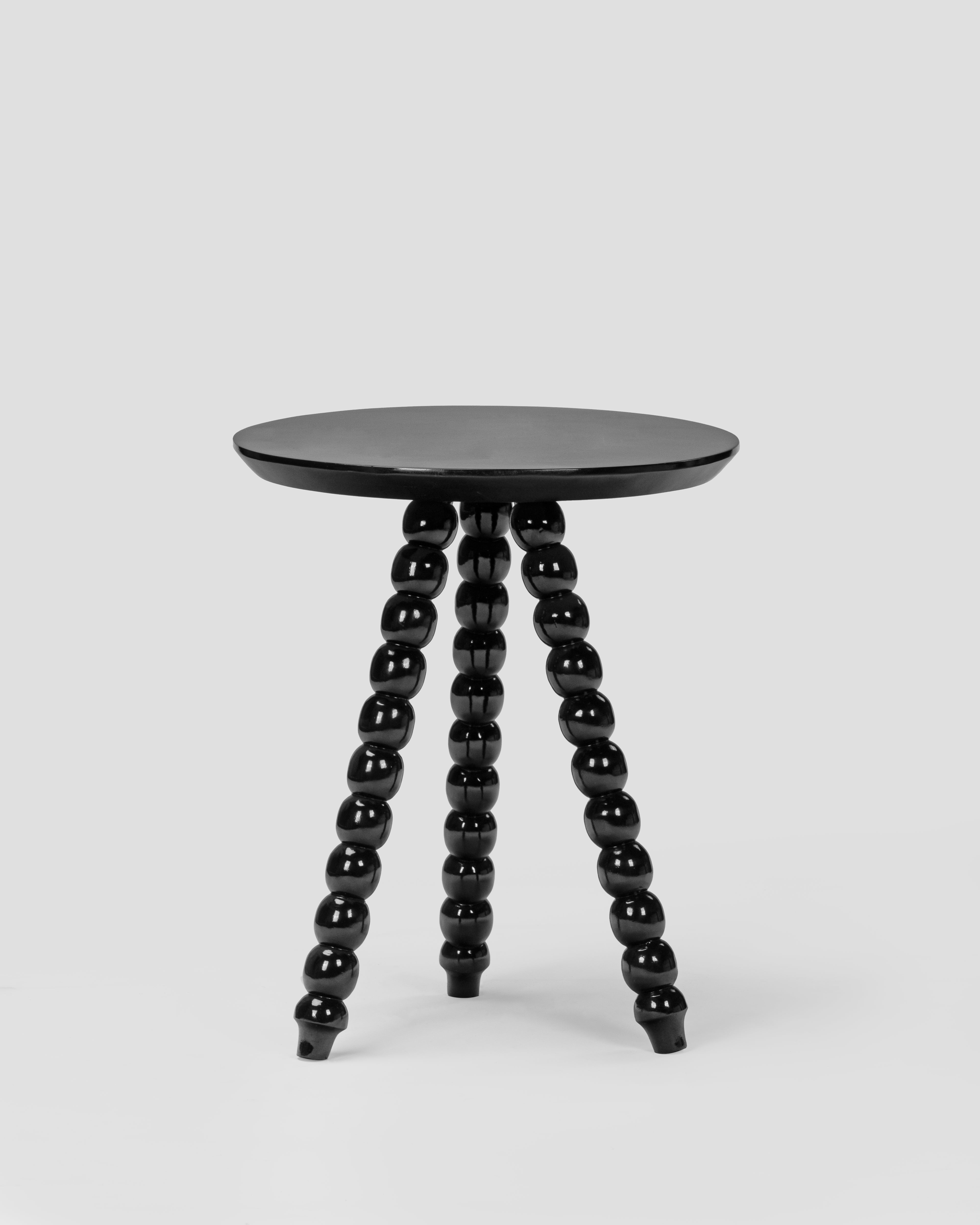
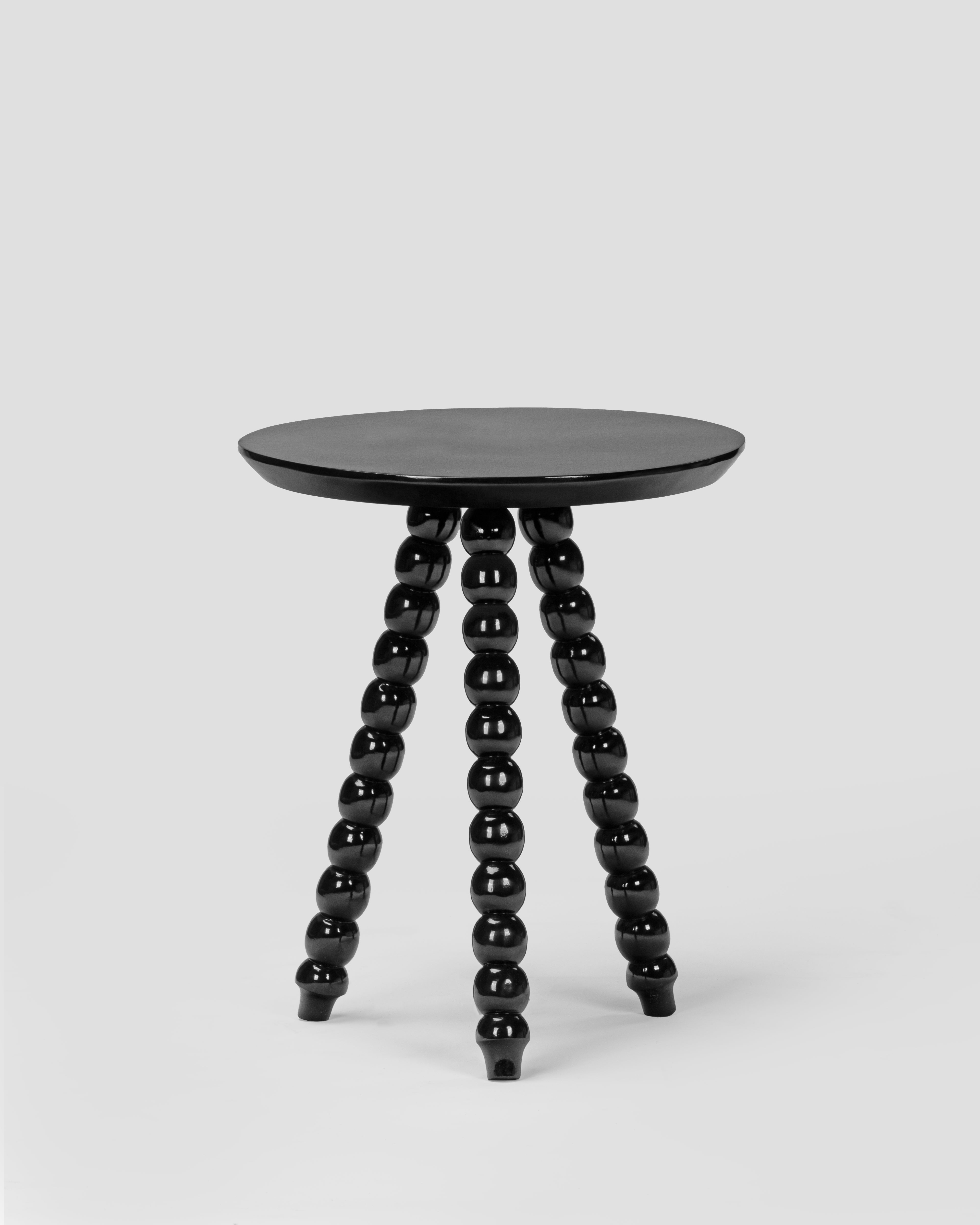
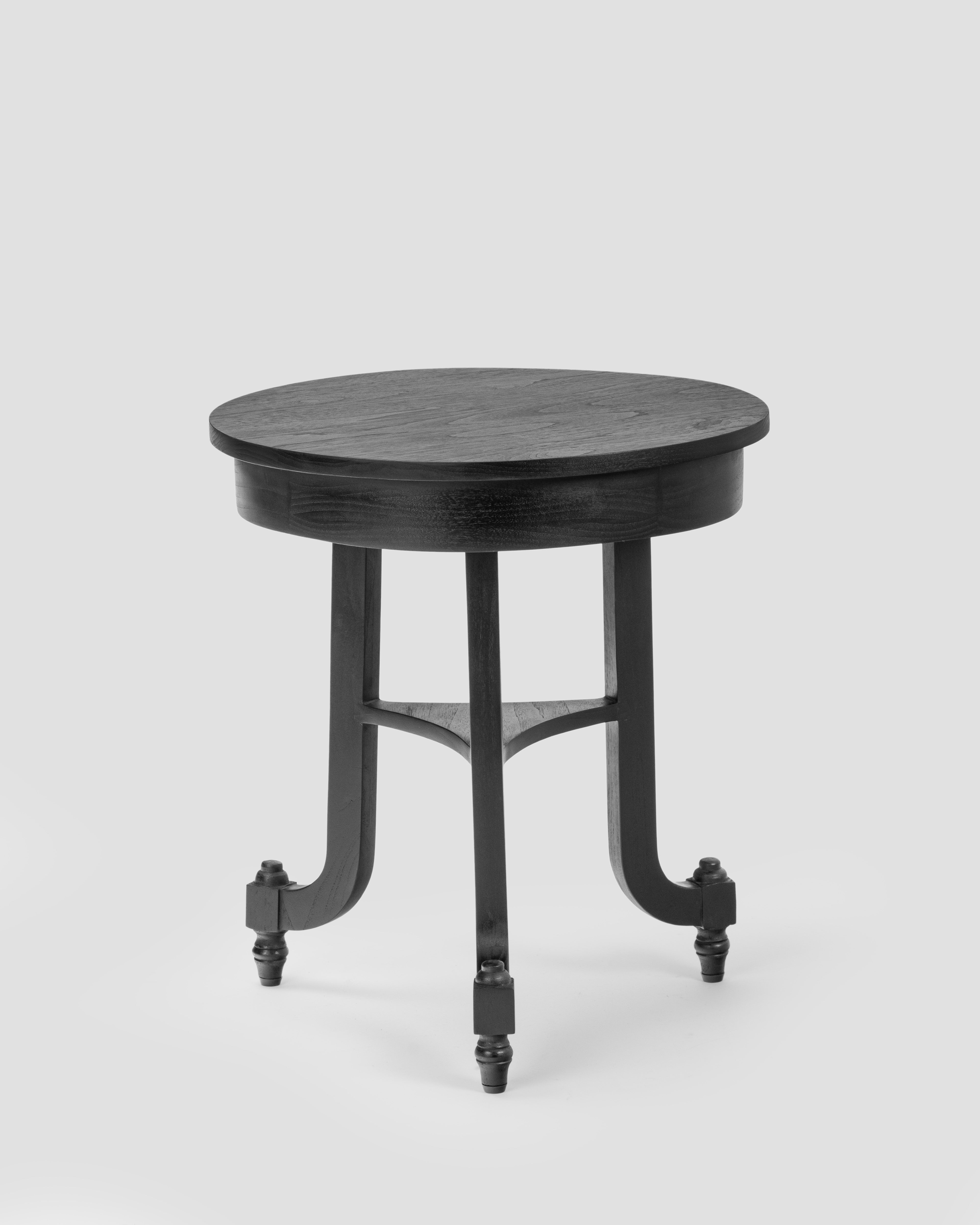
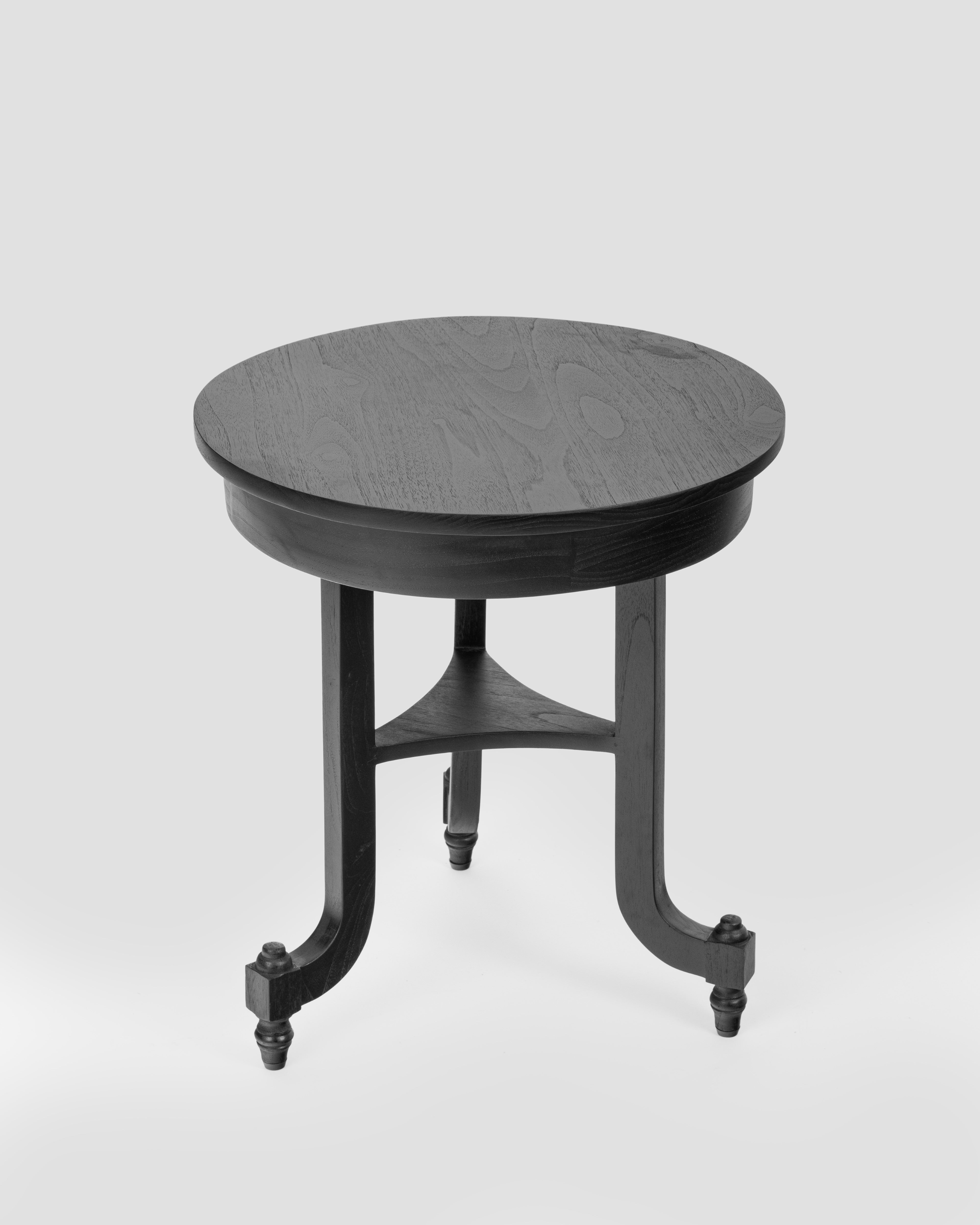
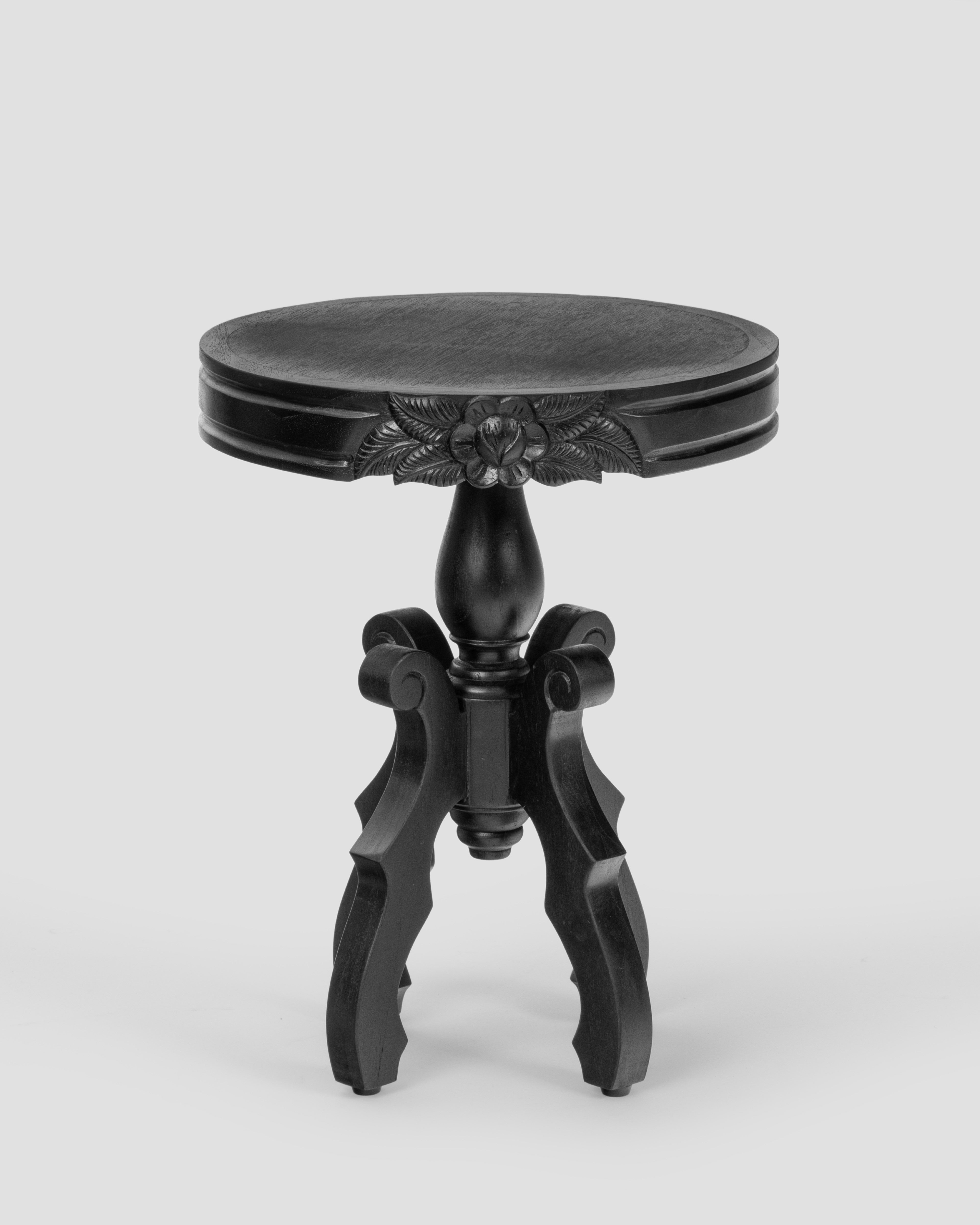
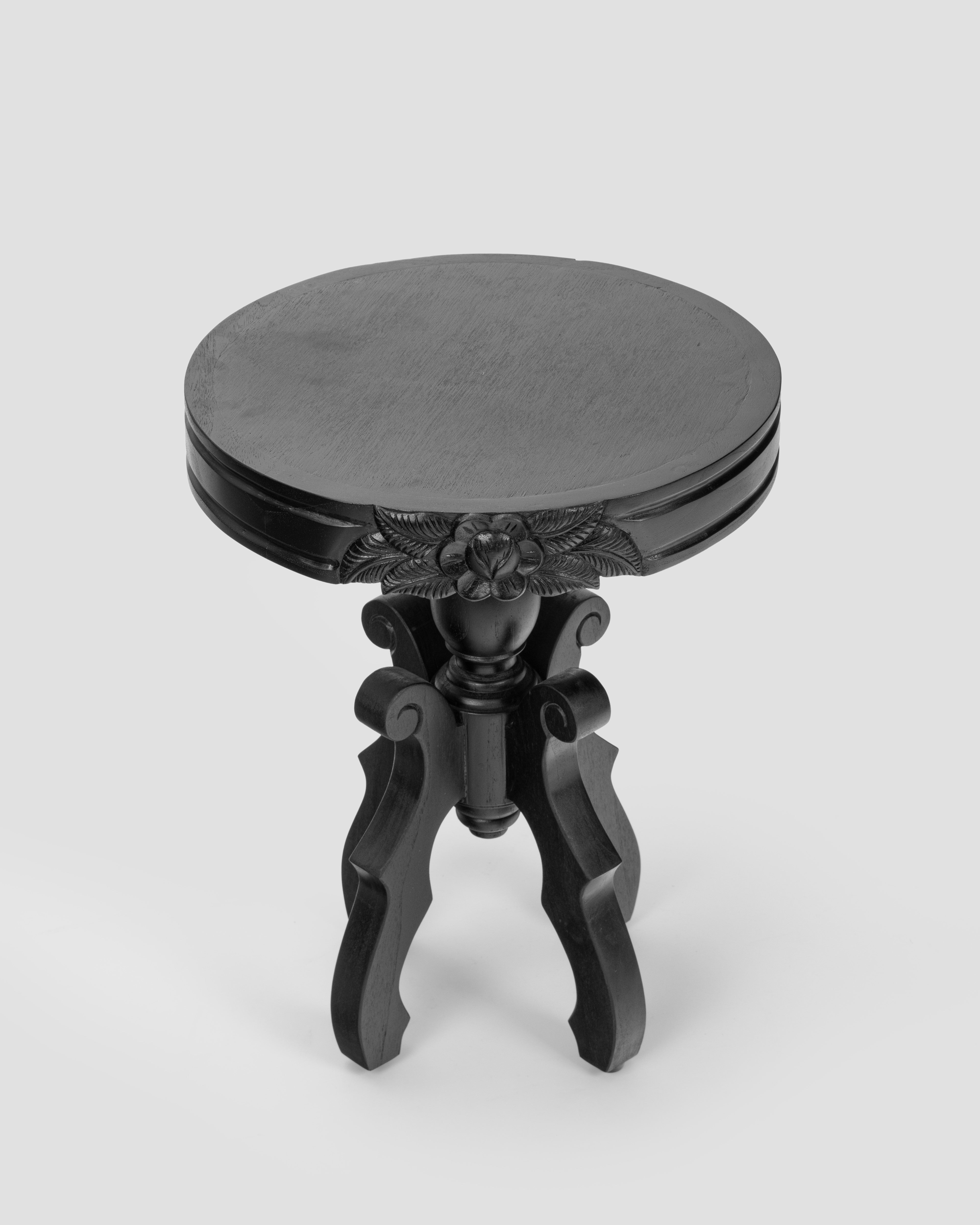
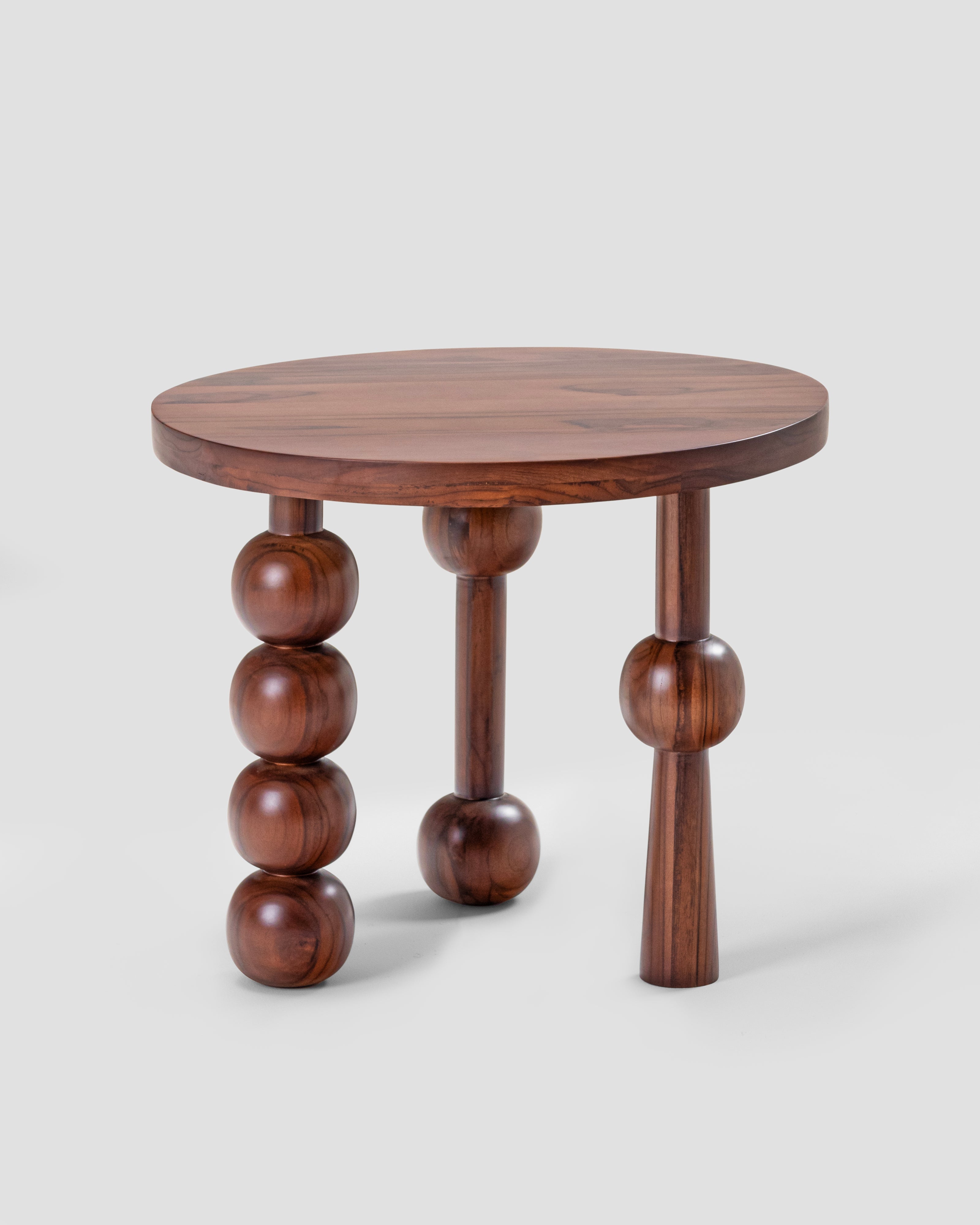
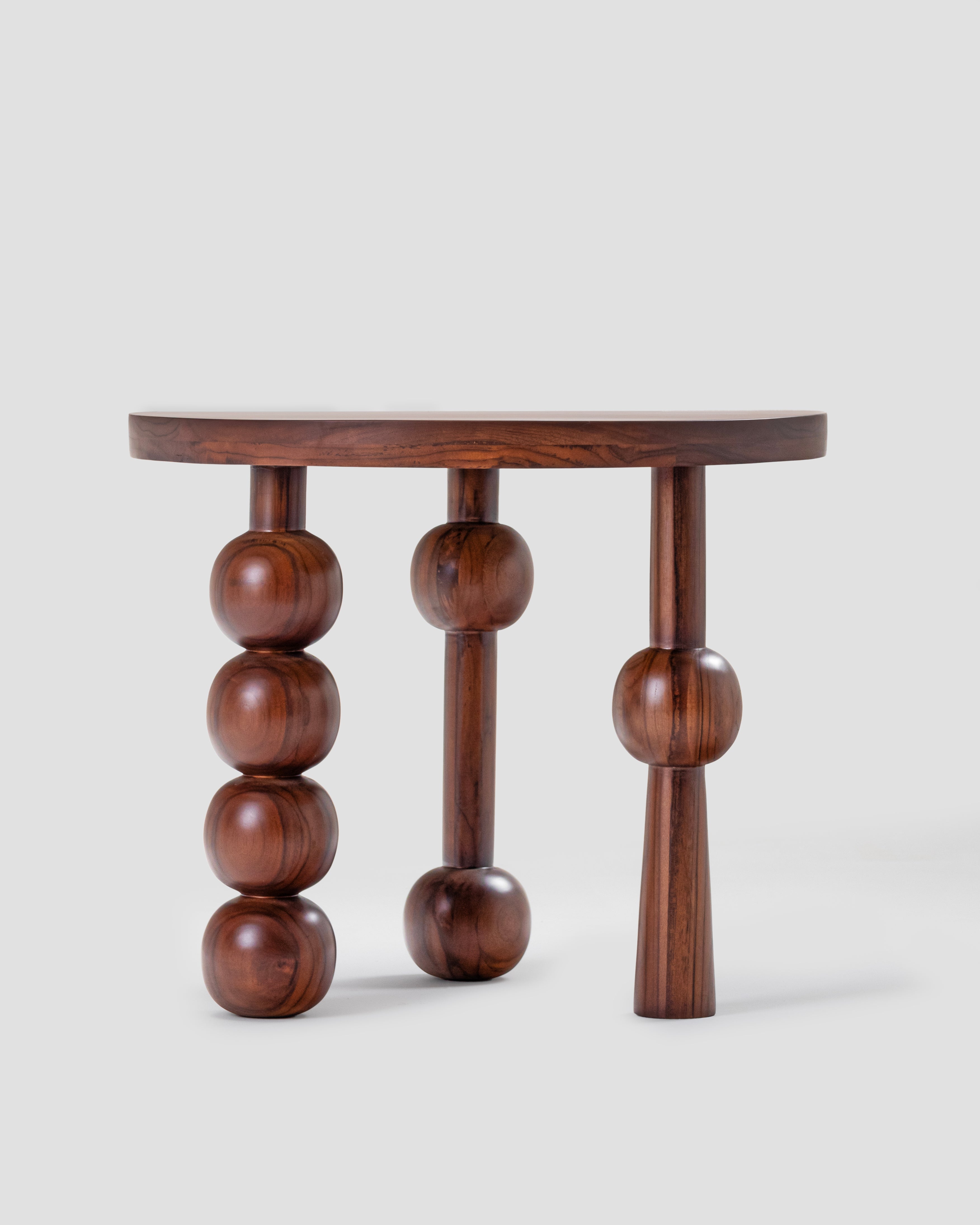
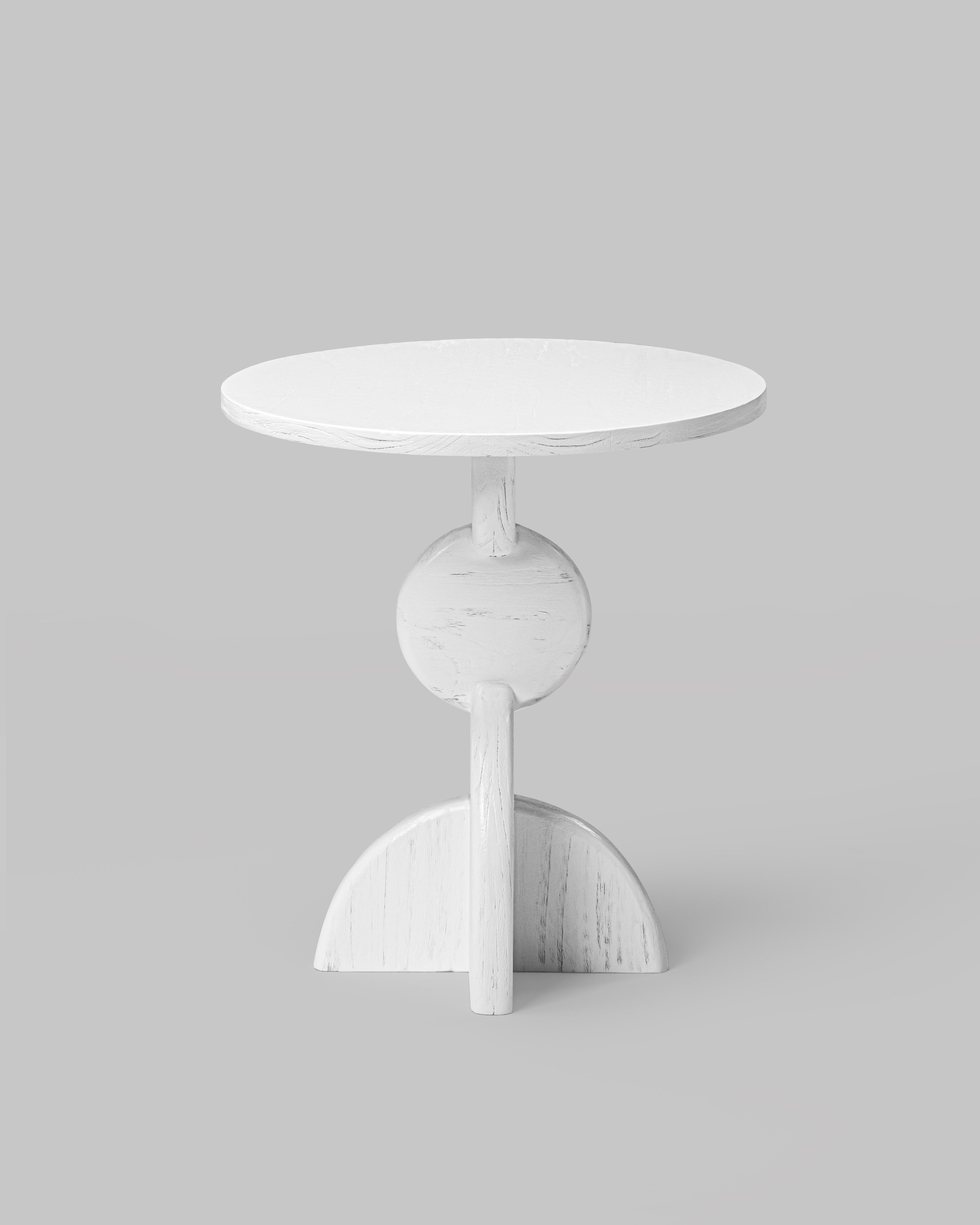
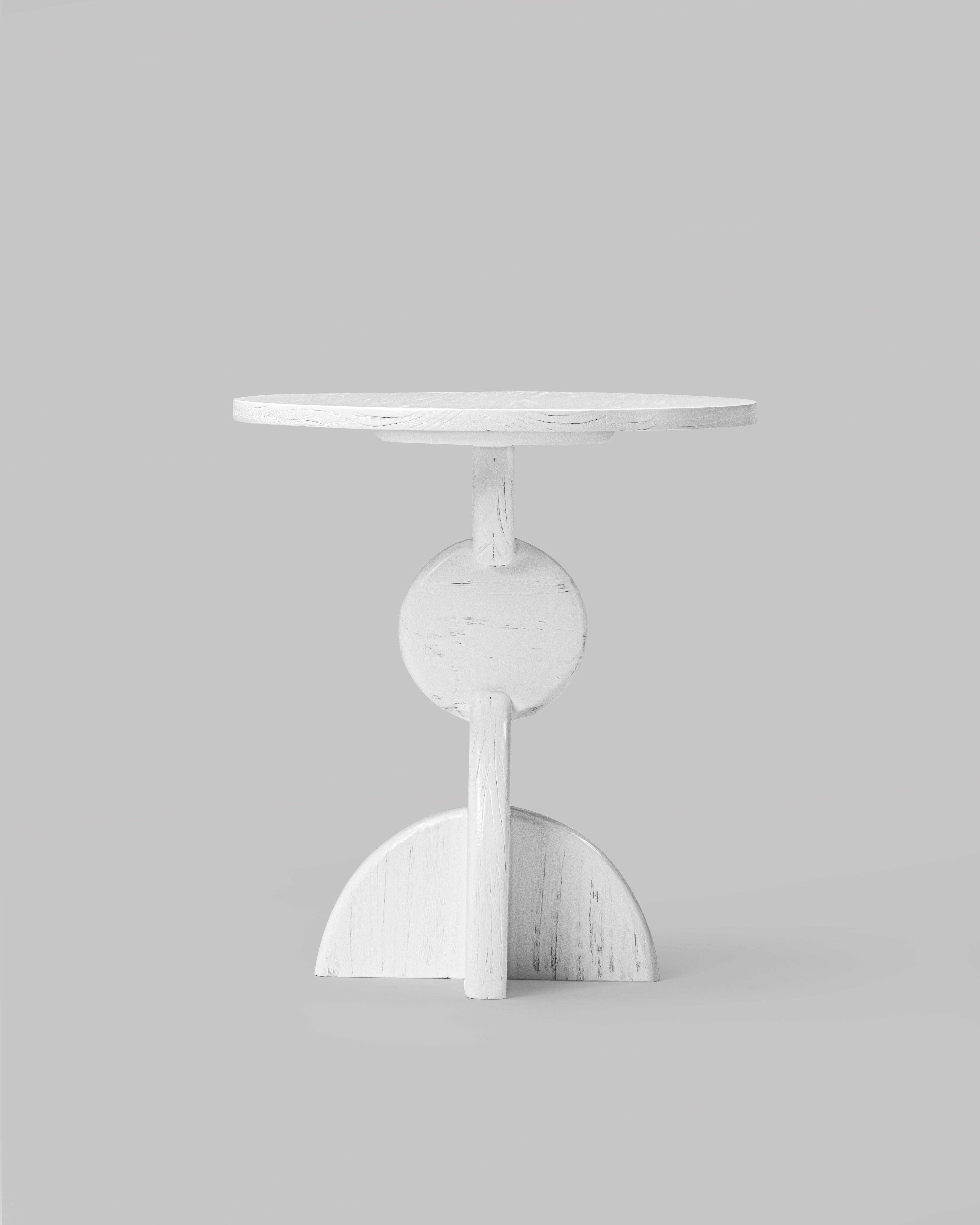
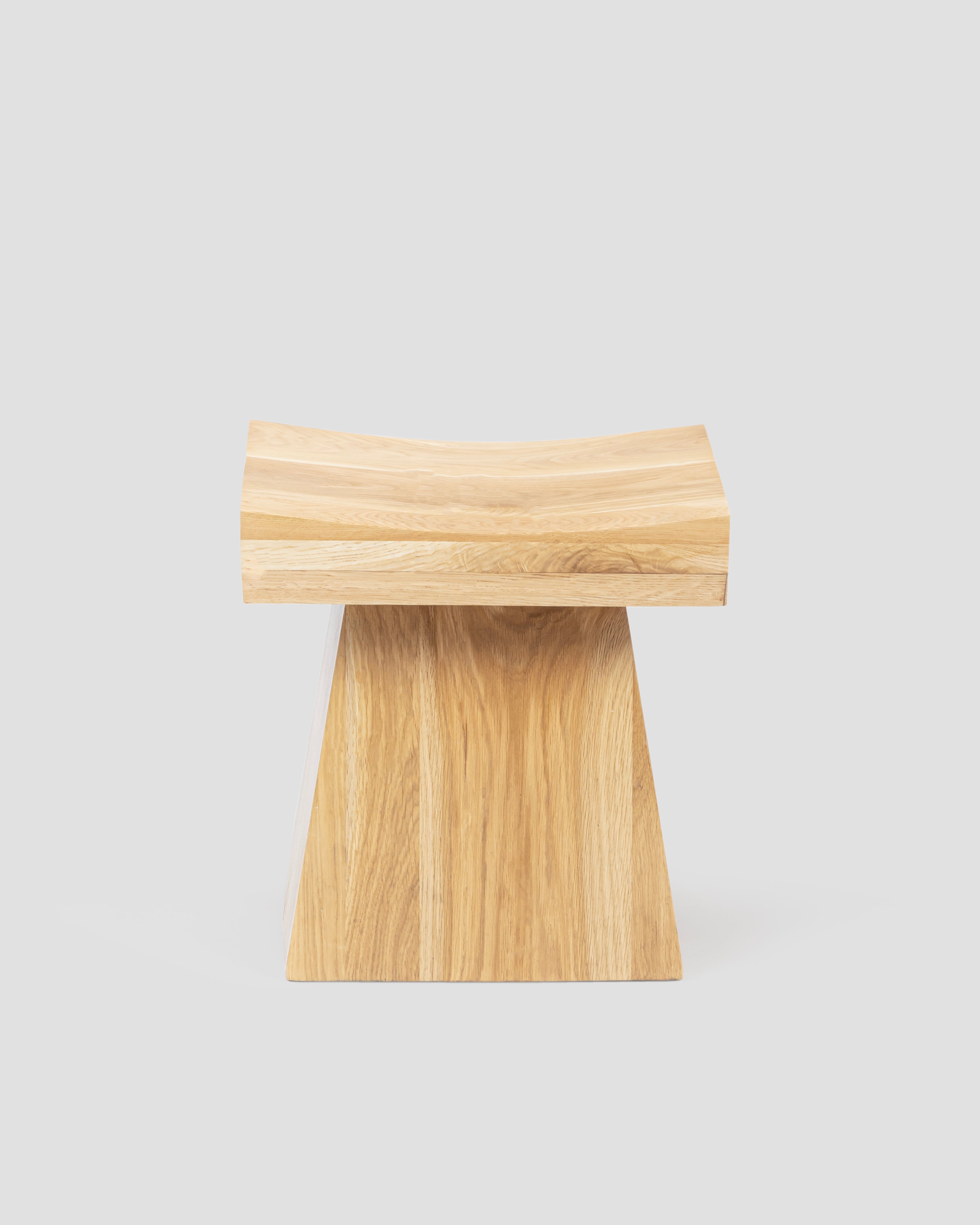
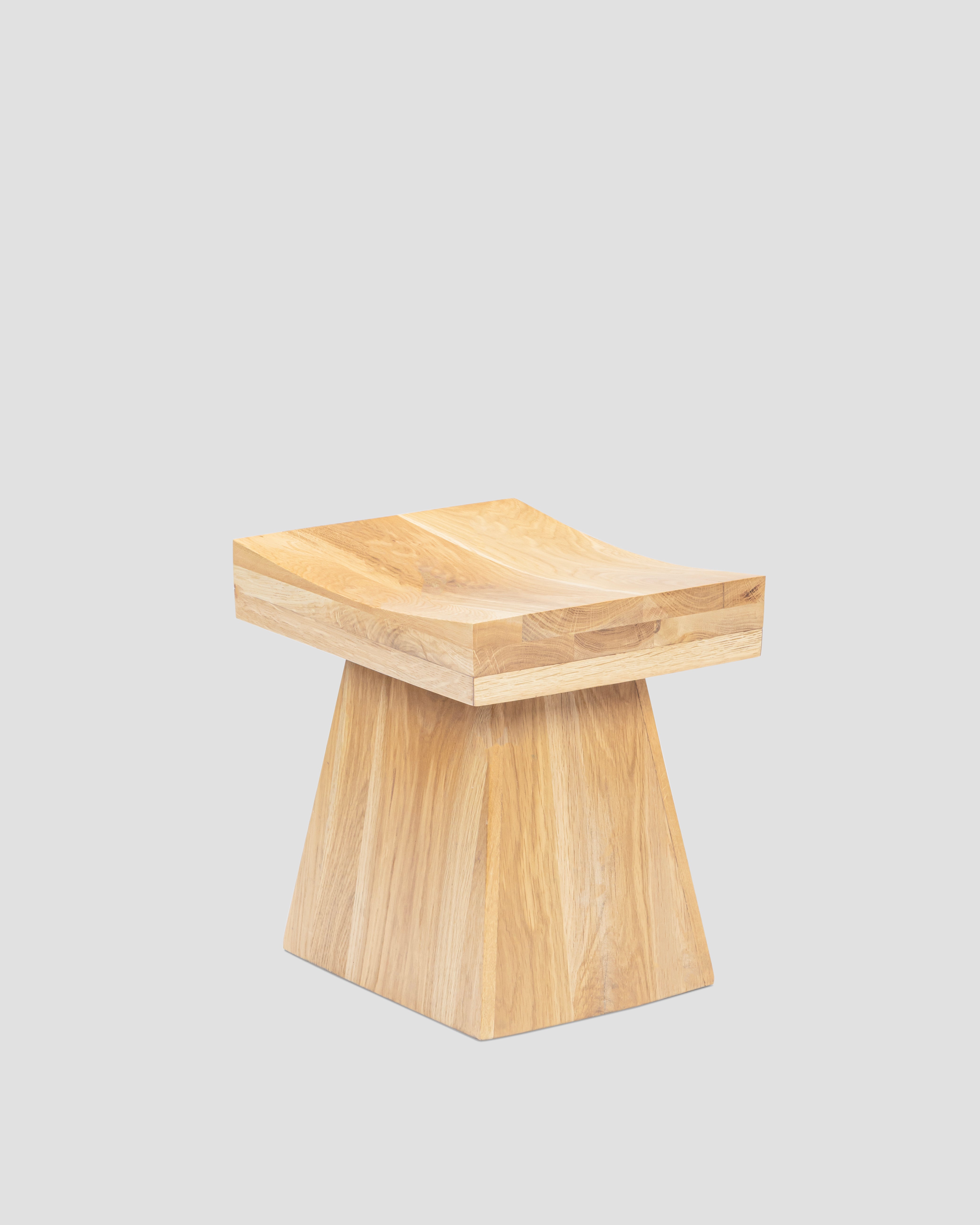
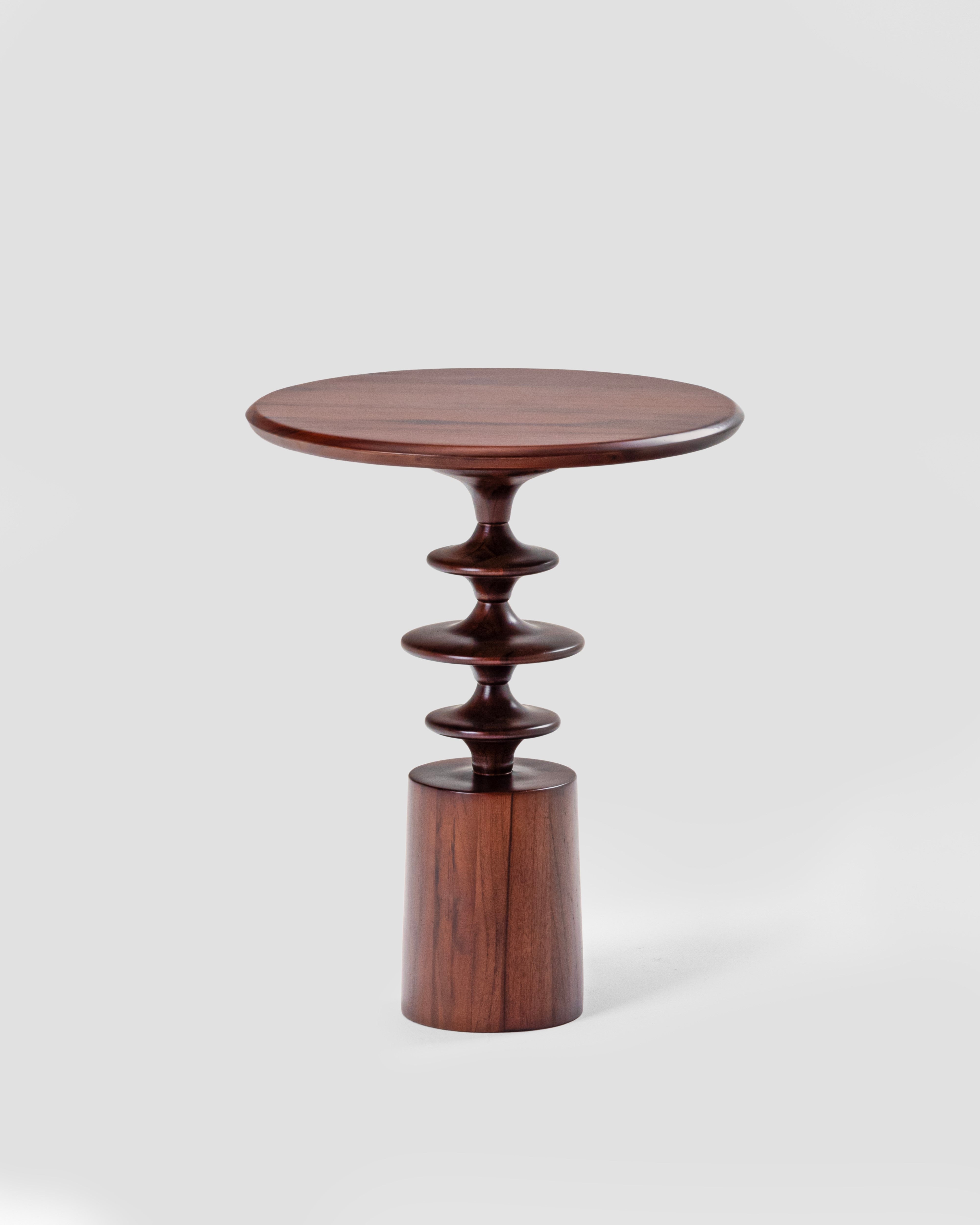
The Importance of Side Tables in Interior Planning
Side tables play a supporting role that often goes unnoticed until they are missing. They offer accessible surface space exactly where it is needed, reducing clutter and improving ease of use across rooms. Because of their size, they allow flexibility in layouts, making them suitable for evolving interior needs. A well-placed side table improves functionality without altering the core arrangement of furniture. Their presence helps rooms feel complete and purposeful, especially in areas where large furniture would feel excessive. Thoughtful placement and proportion ensure that side tables enhance comfort while maintaining openness and visual clarity throughout the home.
Side Tables in Living Room Layouts
Supporting Seating Without Disruption
A Side table for living room placement works best when it complements seating rather than competes with it. Positioned beside sofas or chairs, it offers a convenient surface for everyday items while keeping pathways clear. Living rooms often rely on balance, and side tables help achieve that by filling gaps without crowding the space. Their role becomes especially important in open layouts, where subtle furniture placement defines zones. When proportioned correctly, a side table enhances comfort during conversations or relaxation while preserving the room’s overall flow and visual harmony.
Side Tables Designed for Bedroom Spaces
Enhancing Comfort and Routine
Using Side tables for bedroom arrangements improves daily routines by keeping essential items within easy reach. These tables support bedside lighting, personal belongings, or decorative accents while maintaining a calm atmosphere. Bedrooms benefit from furniture that feels supportive rather than dominating, and side tables meet this requirement well. Their compact nature allows them to fit seamlessly into both large and small rooms. When chosen with attention to height and surface area, bedroom side tables contribute to an organised environment that feels restful and uncluttered.
Pairing Side Tables With Sofas
Improving Accessibility in Seating Areas
A Side table for sofa placement allows each seating position to function independently. Instead of relying entirely on a central table, side tables provide nearby surfaces that improve comfort and usability. This arrangement works particularly well in larger living spaces or informal seating setups where flexibility matters. Side tables placed beside sofas also help define seating zones subtly, without the need for additional furniture. Their presence supports relaxed living by keeping frequently used items close while maintaining an open and inviting layout.
Material Choice and Wooden Side Tables
Natural Warmth and Durability
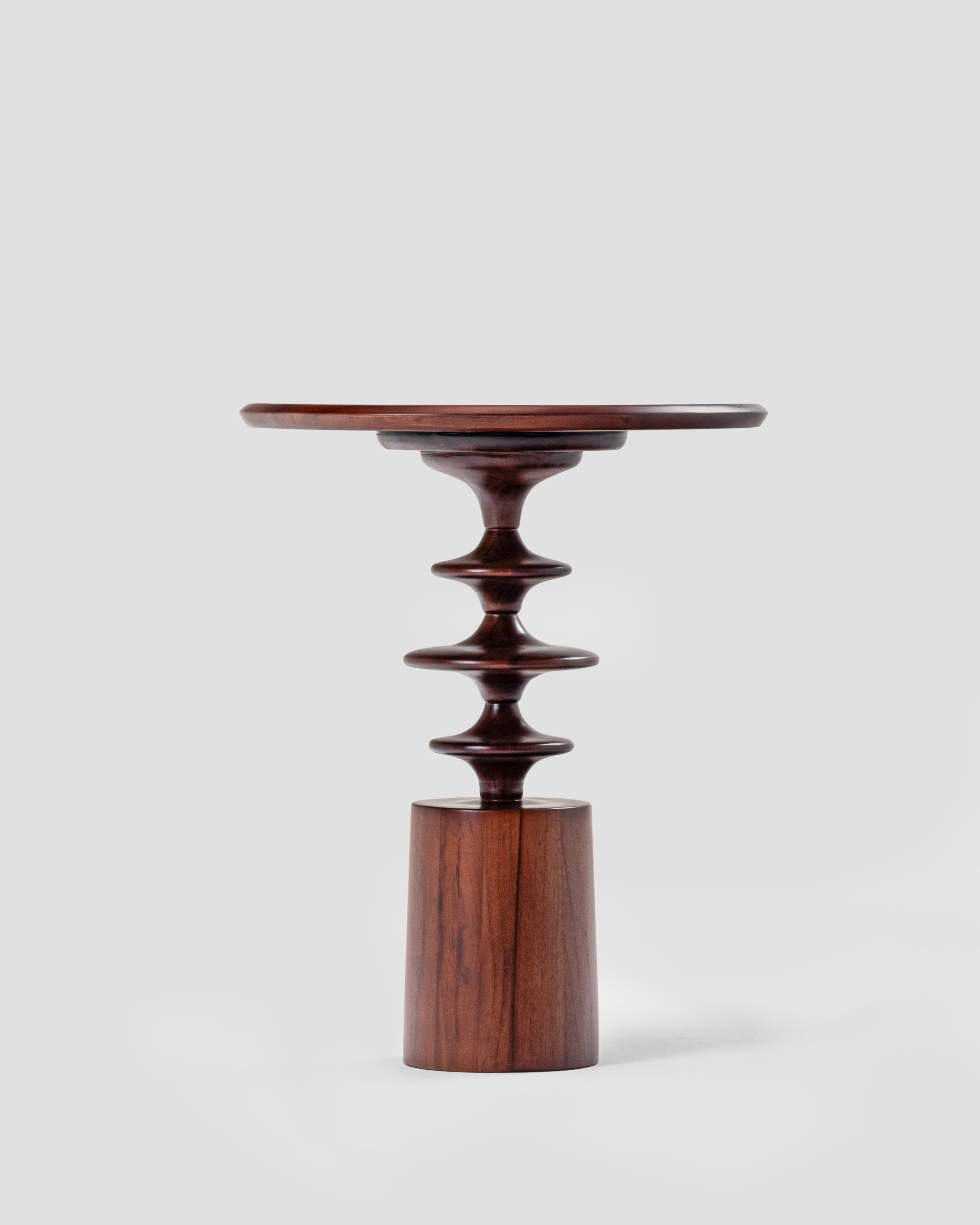
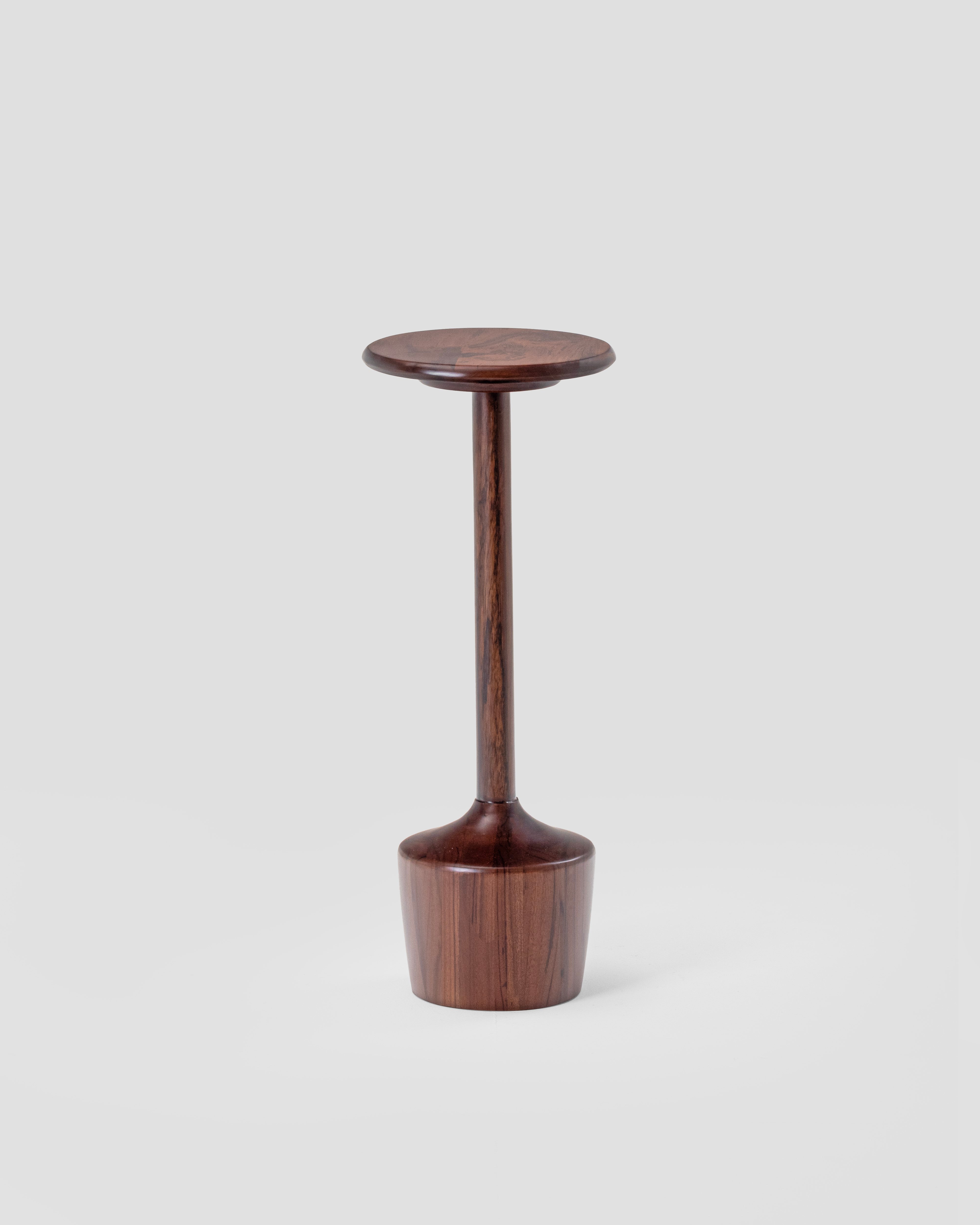
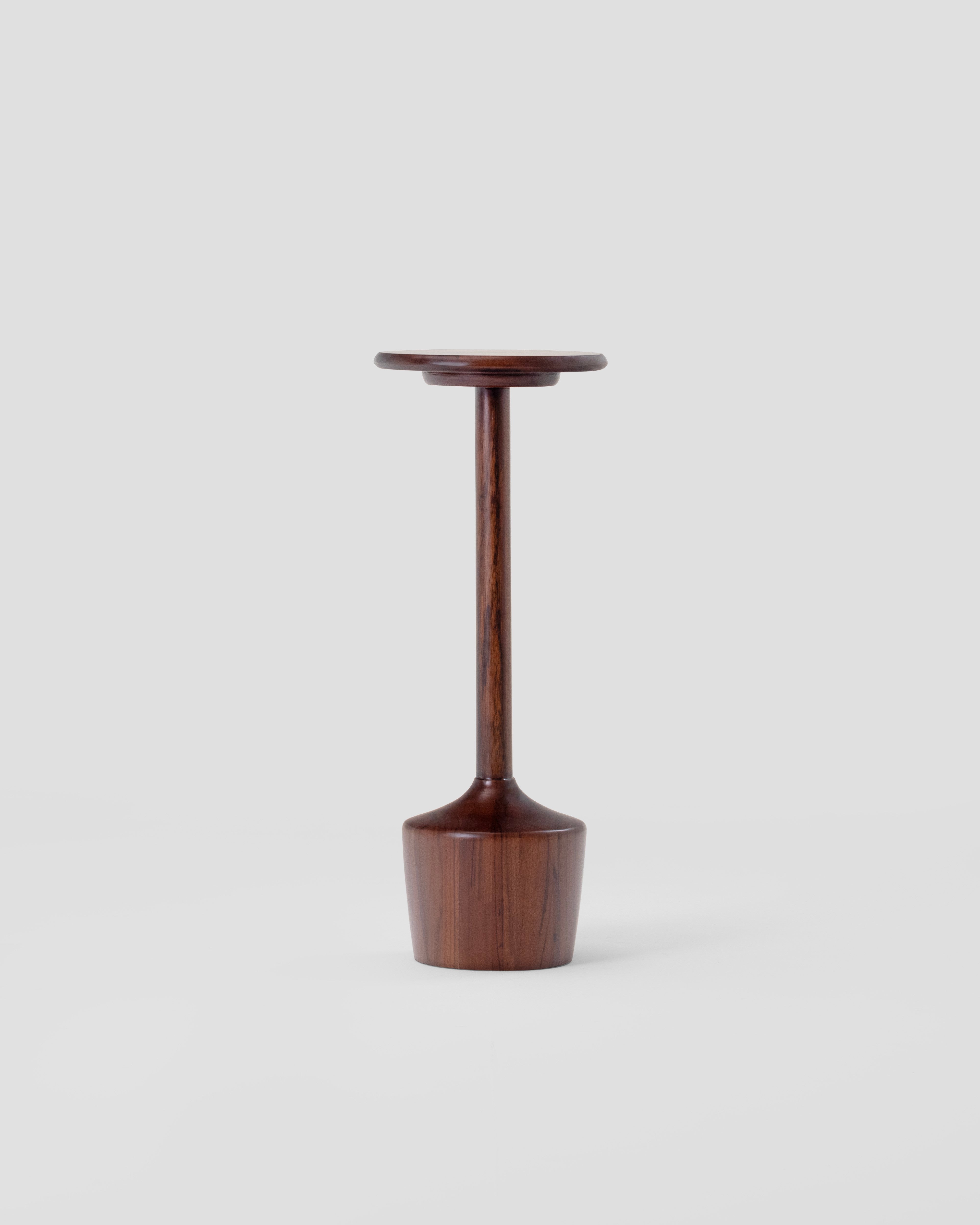
A Wooden side table introduces warmth, texture, and durability into an interior. Wood adapts easily to various design styles and offers long-term reliability for daily use. Its natural finish adds character without overwhelming surrounding elements, making it suitable for both modern and traditional spaces. Wooden side tables also age gracefully, developing subtle variations over time that enhance their appeal. Beyond appearance, their sturdy construction ensures stability, making them practical for areas that experience regular use.
Side Tables Within Living Room Furniture Collections
Creating Visual Cohesion
As part of Living Room Furniture, side tables contribute to a cohesive and balanced interior. Their design should align with surrounding pieces in terms of scale, finish, and overall tone. Rather than standing out individually, side tables work best when they quietly connect seating, lighting, and décor. This cohesion helps create a unified look that feels intentional rather than pieced together. Thoughtful integration of side tables enhances both function and aesthetics, ensuring the room feels complete without appearing overfurnished.
Versatility of Side Tables Across the Home
Adapting to Changing Needs
A Side table offers versatility that few furniture pieces can match. It can shift easily from living room to bedroom, from reading corner to hallway, adapting to changing requirements. This flexibility makes side tables a practical choice for evolving homes. Their ability to serve multiple purposes without losing relevance ensures long-term value. At Furma Home, designs focus on adaptability and proportion, allowing side tables to transition smoothly between spaces while maintaining consistent functionality and visual appeal.
FAQs:
What is the ideal height for a side table?
The height of a side table should generally align with the arm of nearby seating or the top of a mattress. This ensures comfortable access without excessive reaching. Proper height improves usability and visual balance. A mismatched height can disrupt both comfort and layout.
Can side tables replace centre tables?
In smaller spaces, side tables can effectively replace centre tables. They provide surface space without occupying the middle of the room. This approach keeps layouts open and flexible. It also allows seating areas to feel less crowded.
Are side tables suitable for small rooms?
Yes, side tables are well-suited for compact rooms. Their small footprint adds functionality without overwhelming the space. When chosen carefully, they improve organisation and movement. They often work better than larger furniture in tight layouts.
How many items should be placed on a side table?
Keeping one to three items is usually ideal. This maintains usability while avoiding clutter. Overcrowding reduces both function and appearance. A simple arrangement works best for daily use.
Can side tables be moved easily?
Most side tables are lightweight enough to be repositioned easily. This makes them useful for flexible layouts. They can adapt as room arrangements change. Their mobility adds to their long-term practicality.
Are drawers necessary in side tables?
Drawers are optional and depend on storage needs. Some people prefer open surfaces for ease of access. Others value drawers for keeping items out of sight. Both options can work effectively.
Do side tables need to match other furniture?
Matching is not mandatory, but coordination helps maintain visual harmony. Similar tones or materials often work well. Side tables can also act as subtle contrasts. Balance is more important than exact matching.
Can side tables be used outside living rooms?
Yes, side tables work well in bedrooms, hallways, and reading corners. They provide convenient surfaces wherever needed. Their versatility makes them useful across different areas. Placement depends on daily habits.
Are wooden side tables easy to maintain?
Wooden side tables are generally easy to maintain with basic care. Regular dusting and occasional polishing are sufficient. Avoiding excess moisture helps preserve finish. With care, they remain durable over time.
How do side tables affect room flow?
Side tables improve room flow by filling functional gaps without blocking movement. They help define spaces subtly. Proper placement supports comfort and accessibility. Poor placement, however, can disrupt circulation.
PAN India Free delivery
Satisfied Customers
Top-notch support
Secure payments